
What happened to Sprint bus rapid transit?
Bus lanes were built for the Commonwealth Games, but the tram-style vehicles never arrived.
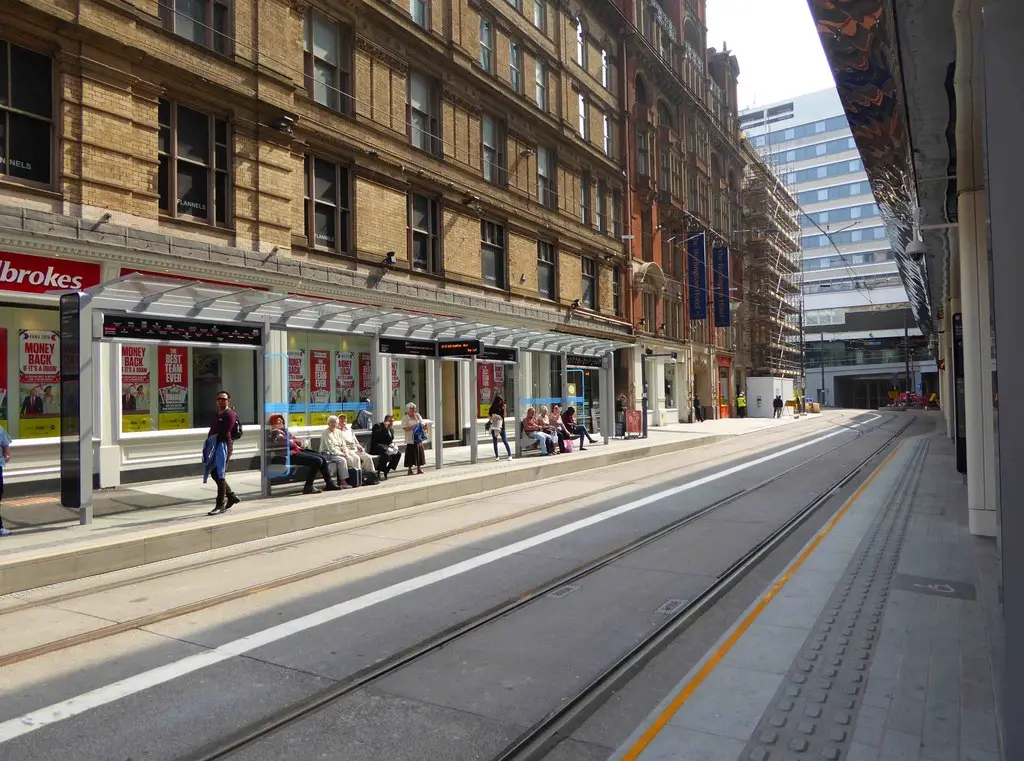
Sprint was meant to bring tram-like buses to some of Birmingham's busiest roads in time for the 2022 Commonwealth Games. Four years on, many people are asking what happened to it.
What Sprint is
Sprint is a bus rapid transit scheme developed by the region's transport authority. The idea is to run high quality buses that look and operate like trams but without tracks, using dedicated bus lanes and priority at traffic lights to speed up journeys.
What has been built
Work on the A34 route between Walsall, Perry Barr and Birmingham city centre, and on the A45 towards Birmingham Airport and Solihull, began in 2021. Much of the roadworks, including new bus lanes, junction changes and stops, were completed around the time of the Commonwealth Games, when the A34 passed Alexander Stadium, the main athletics venue.
Ordinary bus services on those corridors have been using the new lanes and priority measures since then.
What has not happened
As of this year, no dedicated Sprint vehicles have been introduced. The branded, tram-style buses that were promised have not arrived, and critics have questioned whether the full scheme will ever be delivered as first planned.
What comes next
Plans for bus franchising, approved by the Mayor in 2025, include a new non-stop Sprint-style service between Walsall and Solihull via Birmingham city centre. Further development funding for Sprint was approved this year, and extensions have been suggested to places including Sutton Coldfield, Longbridge, Dudley and Stourbridge.
A route along the Hagley Road towards Quinton was also planned but was given lower priority after the Commonwealth Games.
Why it matters
Buses carry far more people than trains and trams in the region. Faster, more reliable buses on key corridors are seen as one of the cheapest ways to improve public transport, and to give people an alternative to driving on congested roads.
More in Transport
All


Latest news
Featured posts
-
Things to do
Top 10 places to visit in Birmingham
-
Food and drink
The 12 most popular food spots in Birmingham
-
Things to do
The best laser tag locations in Birmingham