
US imposes forced labour tariff on UK goods
Selected British exports face a 10 per cent tariff.
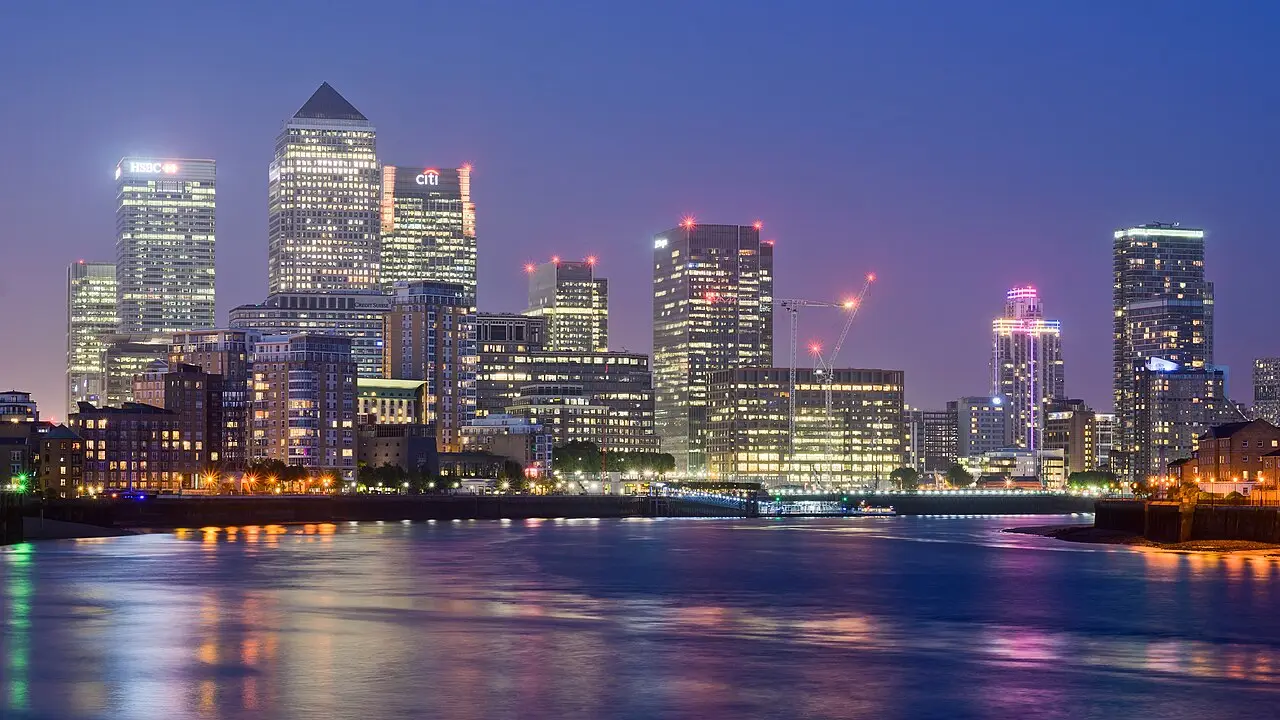
The United States has imposed a 10 per cent tariff on selected goods from the United Kingdom, as part of a trade action against 60 economies over forced labour in supply chains.
The tariffs took effect at 00.01 Eastern Time on 24 July.
What has happened?
The Office of the United States Trade Representative imposed tariffs of between 10 and 12.5 per cent on goods from the 60 economies, including the European Union and the United Kingdom.
It said investigations had found that these economies had failed to introduce or properly enforce bans on imports made with forced labour. The investigations were launched in March at the direction of President Donald Trump.
The UK is among 17 economies facing the lowest rate of 10 per cent, because it has introduced, or committed to introduce, a ban on goods made with forced labour. The EU, Canada and India face the same rate.
A blow to exporters
The United States is the UK's largest single trading partner. The new tariffs come on top of the tariffs already imposed by the Trump administration last year, and will add to costs for British exporters.
Business groups have warned that the tariffs will make British goods less competitive in the American market.
Car makers
The car industry, which is a major employer in the Midlands, has already been hit by American tariffs. Jaguar Land Rover, which has factories in Solihull and Castle Bromwich, exports many vehicles to the United States.
Relations with Washington
The tariffs come days after Andy Burnham became Prime Minister. His predecessor, Keir Starmer, agreed an economic deal with the United States last year that lowered some tariffs, but relations have been strained this year over the war with Iran and other issues.
Forced labour
Forced labour is a serious problem in many parts of the world, and governments are under pressure to make sure the goods sold in their countries are not made by people working against their will. The UK's Modern Slavery Act requires large companies to report on the steps they take to tackle it.
A report in May found record levels of modern slavery in the UK.
What next?
Trade experts say the UK may seek talks with the United States to reduce the tariffs.
More in Economy
All
Latest news
Featured posts
-
Things to do
Top 10 places to visit in Birmingham
-
Food and drink
The 12 most popular food spots in Birmingham
-
Things to do
The best laser tag locations in Birmingham