
Oil steadies above $100 as Trump talks up Iran negotiations
The US President says there will be no attack before the midterms, as Tehran reviews a plan to reopen the Strait of Hormuz.

Oil prices held above $100 a barrel at the end of the week, after President Donald Trump said the United States would not attack Iran before next month's midterm elections and spoke of "productive" talks to end the war that has disrupted global energy markets.
Brent crude, the international benchmark, edged up 19 cents to $104.47 a barrel on Friday, while US West Texas Intermediate crude rose 36 cents to settle at $91.85. Prices had dipped earlier as worries about supply eased.
Talks and the Strait of Hormuz
On Thursday, Mr Trump said Washington was having "productive discussions" with Iran, and that no attack was planned before the congressional elections on 3 November, after media reports that he had been considering one.
Iran's Tasnim news agency reported that the foreign minister, Abbas Araqchi, said Tehran was reviewing the US response to an Iranian proposal that would reopen the Strait of Hormuz within seven days. Before the war, the strait carried about a fifth of the world's oil and fuel shipments.
The US is still putting economic pressure on Iran, announcing sanctions on individuals, networks and 17 vessels accused of carrying Iranian crude, oil products and petrochemicals.
Other pressures
Plans by China, the world's biggest oil importer, to resume exports of refined fuels after a pause during its Golden Week holiday also weighed on prices. In the Gulf of Mexico, Hurricane Isaias forced producers to shut in about 1.3 million barrels a day, around 63 per cent of the region's output.
Mr Trump also hinted at an announcement on diesel, and said he was considering suspending the US federal tax on petrol.
What it means for UK drivers
The war involving Iran, along with the conflict between Russia and Ukraine, has hit supplies of refined fuels, especially diesel. On 2 October, the RAC said the average price of diesel in the UK had passed £2 a litre for the first time.
Pump prices usually follow wholesale prices with a delay of a few weeks, so any lasting fall in oil prices would take time to reach forecourts. Motoring groups have called on the Chancellor to cut fuel duty or VAT on fuel in the Budget on 28 October.
Why oil matters for prices
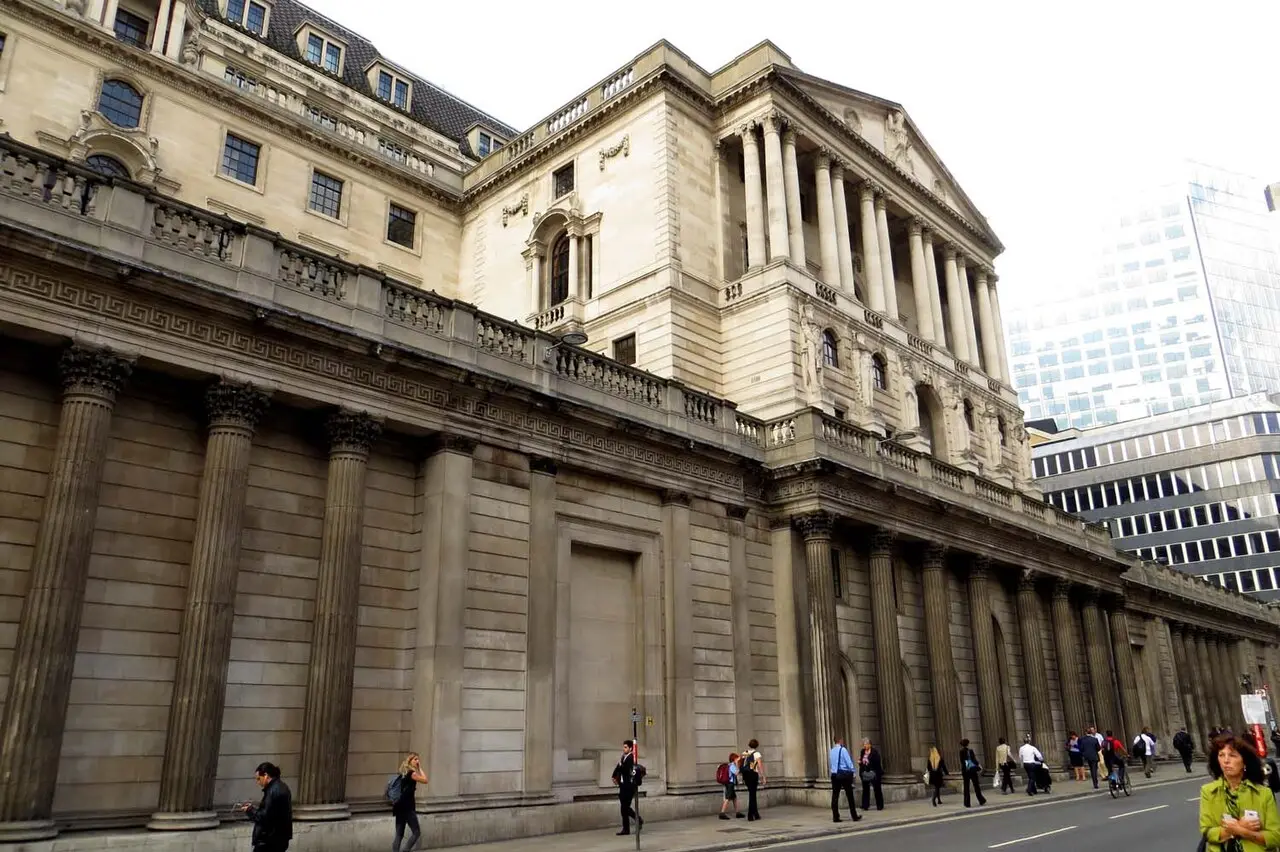
Oil feeds into the cost of almost everything, from transport and food to plastics and heating. Higher fuel prices push up delivery costs for shops and businesses, which are often passed on to customers. That is why central banks, including the Bank of England, watch oil closely when deciding interest rates, and why a lasting deal on the Strait of Hormuz would be welcomed far beyond the energy markets.
The G7 group of leading economies agreed earlier this month to release up to 100 million barrels of emergency stocks over four months to ease the pressure.
More in Economy
All
Latest news
Featured posts
-
Things to do
Top 10 places to visit in Birmingham
-
Food and drink
The 12 most popular food spots in Birmingham
-
Things to do
The best laser tag locations in Birmingham