
Mortgage rates rise as Iran war hits the economy
The average two-year fix passes 5 per cent as oil tops $100 a barrel.
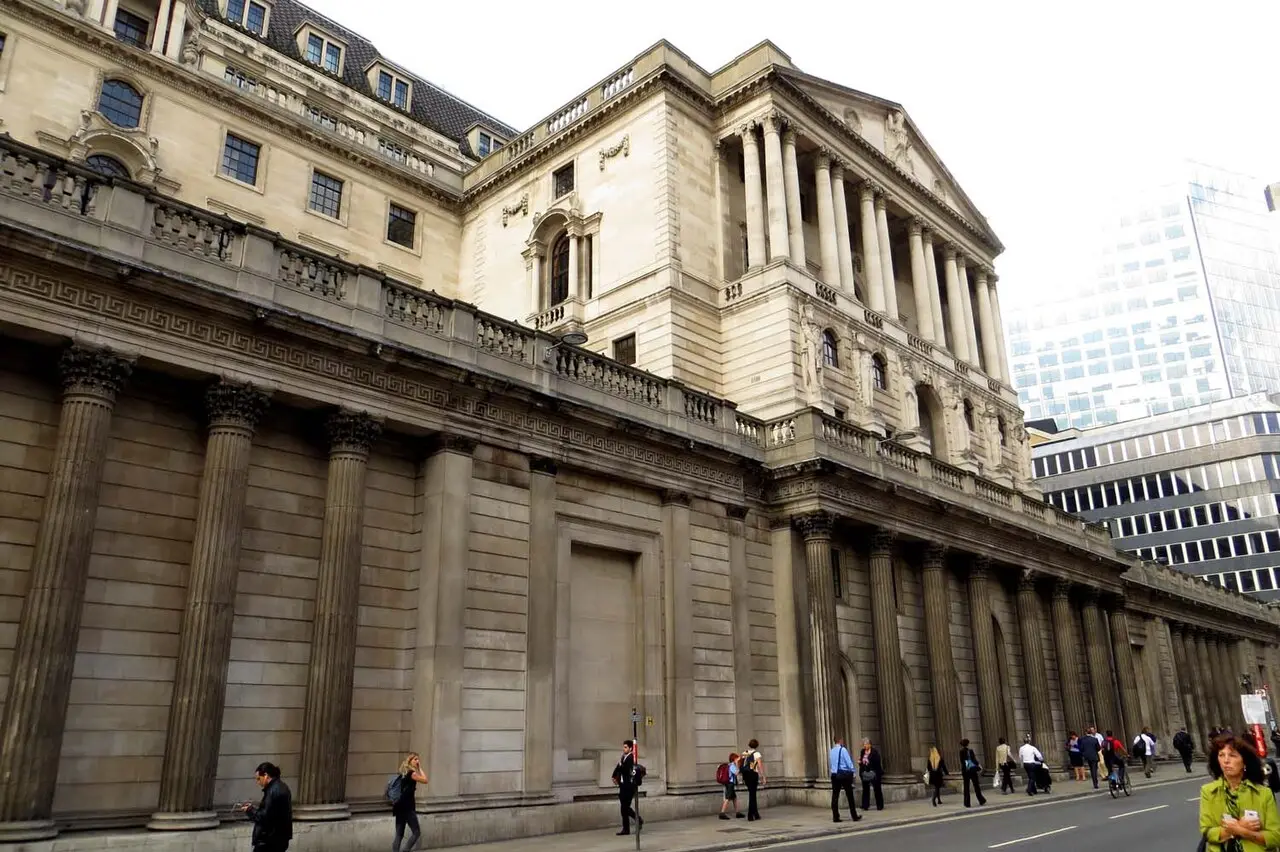
The average rate on a two-year fixed mortgage has risen above 5 per cent, as lenders react to the economic shock caused by the war with Iran.
The figure was reported on 11 March, as hundreds of mortgage deals were withdrawn from the market amid the uncertainty.
Oil above $100
The war began on 28 February, when Israel and the United States launched strikes on Iran. Iran has retaliated with attacks across the region and has restricted shipping through the Strait of Hormuz, through which a large share of the world's oil and gas passes.
The price of oil briefly rose above $100 a barrel on 9 March. Higher energy costs feed through into petrol prices, household bills and the cost of producing goods.
Why mortgages are rising
Fixed-rate mortgages are priced using the cost at which banks can borrow in financial markets. Those costs have risen sharply, as investors expect higher inflation and fewer cuts in interest rates.
Before the war, many economists expected the Bank of England to cut rates further this year. Markets now expect rates to stay higher for longer.
Lenders began raising rates in the first week of March. Some energy suppliers have also withdrawn fixed-price energy deals.
Who is affected?
Homeowners coming to the end of fixed-rate deals are likely to face higher monthly payments. First-time buyers may also find it harder to get onto the property ladder.
People with tracker mortgages, which follow the Bank of England's rate, will not be affected unless the Bank changes its rate.
The government's response
The Prime Minister, Keir Starmer, has warned of the war's potential impact on the UK economy. The Chancellor, Rachel Reeves, has said she will look at the particular challenges facing households that rely on heating oil, whose costs have soared.
Reeves delivered her spring statement on 3 March, days after the war began.
The Bank of England
The Bank of England's rate-setters meet next week. They face a difficult choice, between supporting a weak economy and preventing a new rise in inflation.
A familiar pattern
The shock is reminiscent of 2022, when Russia's invasion of Ukraine sent energy prices soaring and inflation rose above 11 per cent. Economists hope the effect this time will be smaller, but much will depend on how long the war lasts.
More in Economy
All
Latest news
Featured posts
-
Things to do
Top 10 places to visit in Birmingham
-
Food and drink
The 12 most popular food spots in Birmingham
-
Things to do
The best laser tag locations in Birmingham