
IFS warns Healey's budget risks being a "work of fiction"
The thinktank says the chancellor must show how he will cover £35bn of spending pressures from inflation and defence.

John Healey's first budget risks being a "work of fiction" unless he sets out how he will cover about £35bn of spending pressures, the Institute for Fiscal Studies has warned.
In its annual green budget report, published two weeks before the chancellor's statement on 28 October, the thinktank said higher inflation caused by the war in the Middle East had blown a hole in the government's spending plans.
Where the £35bn comes from
Higher inflation reduces what government departments can buy with their budgets. The IFS says ministers must choose between accepting real-terms cuts to public services, or topping up departments' budgets by raising taxes or borrowing more.
Compensating for the inflation shock, and paying for the pledge to raise defence spending to 3% of GDP by 2030, would require tax rises or benefit cuts of about £35bn, it calculates.
"Simply pencilling in implicit cuts that he has no intention of delivering would make the budget a work of fiction," said Helen Miller, the IFS director. "We would be better served by a chancellor who hopes for the best, but plans for the worst."
"Choosing to stay the course with the inherited tax and spending plans would mean allowing inflation to blow departments' spending plans off course. It would be a choice to tolerate chunky cuts to the quantity or quality of some public services."
Don't kick it down the road
The IFS urged Healey not to deliver a "steady as she goes" budget that put off decisions until next year's spending review. He would not need detailed plans, it said, but should set out overall spending limits he would actually be prepared to live within. "If John Healey sets out spending envelopes for public services that he would not be willing to live within, his plan for meeting the fiscal rules will not be credible."
Headroom
Much of the attention before the budget has been on the chancellor's headroom against the government's main fiscal rule, which requires day-to-day spending to be covered by revenues in 2029-30. Rising borrowing costs since the war began in February have eaten into the £24bn buffer left by his predecessor, Rachel Reeves.
The IFS calculates that higher debt interest could add £10bn to borrowing in 2029-30, but higher inflation would also boost tax receipts, so the overall hit to headroom could be only about £4bn.
Market nerves
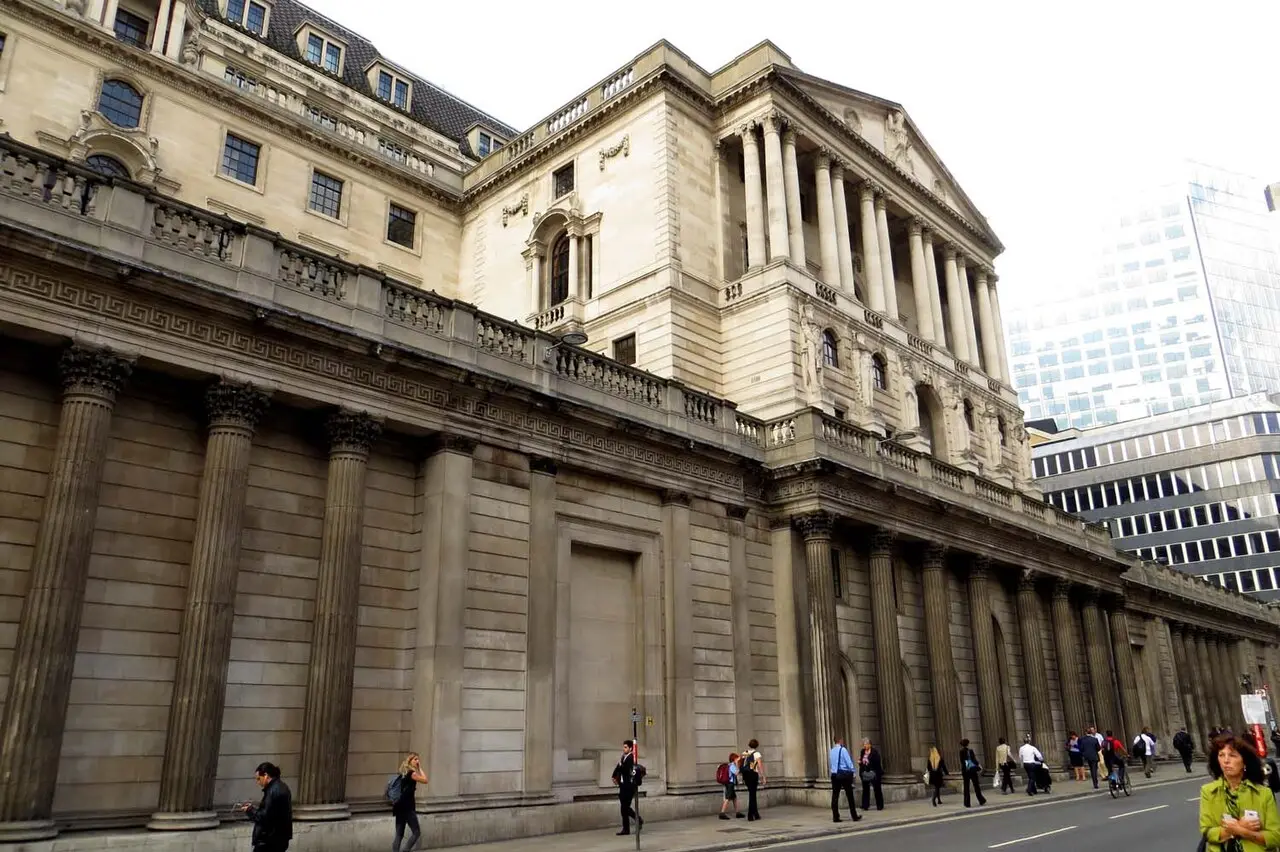
The warning comes against a jittery backdrop in the bond market. The Bank of England governor, Andrew Bailey, said last week that fiscal policy "must be credible and be seen as such by financial markets".
The Treasury said the chancellor was focused on boosting business and helping with the cost of living, "underpinned by fiscal discipline and a commitment to meet the fiscal rules with a buffer against uncertainty". The Office for Budget Responsibility will publish its updated forecasts alongside the budget.
What it means for households
For families in Birmingham and elsewhere, the choices in the budget will shape everything from tax bills to the funding available for councils, schools and the NHS. Households are already under pressure from rising energy and fuel costs, and the chancellor has promised to give them "breathing space", but the IFS warning shows how little room he has.
More in Economy
All
Latest news
Featured posts
-
Things to do
Top 10 places to visit in Birmingham
-
Food and drink
The 12 most popular food spots in Birmingham
-
Things to do
The best laser tag locations in Birmingham