
Flag injunction case heard in the High Court
Judge Emma Kelly heard the council's revised application on 30 September.
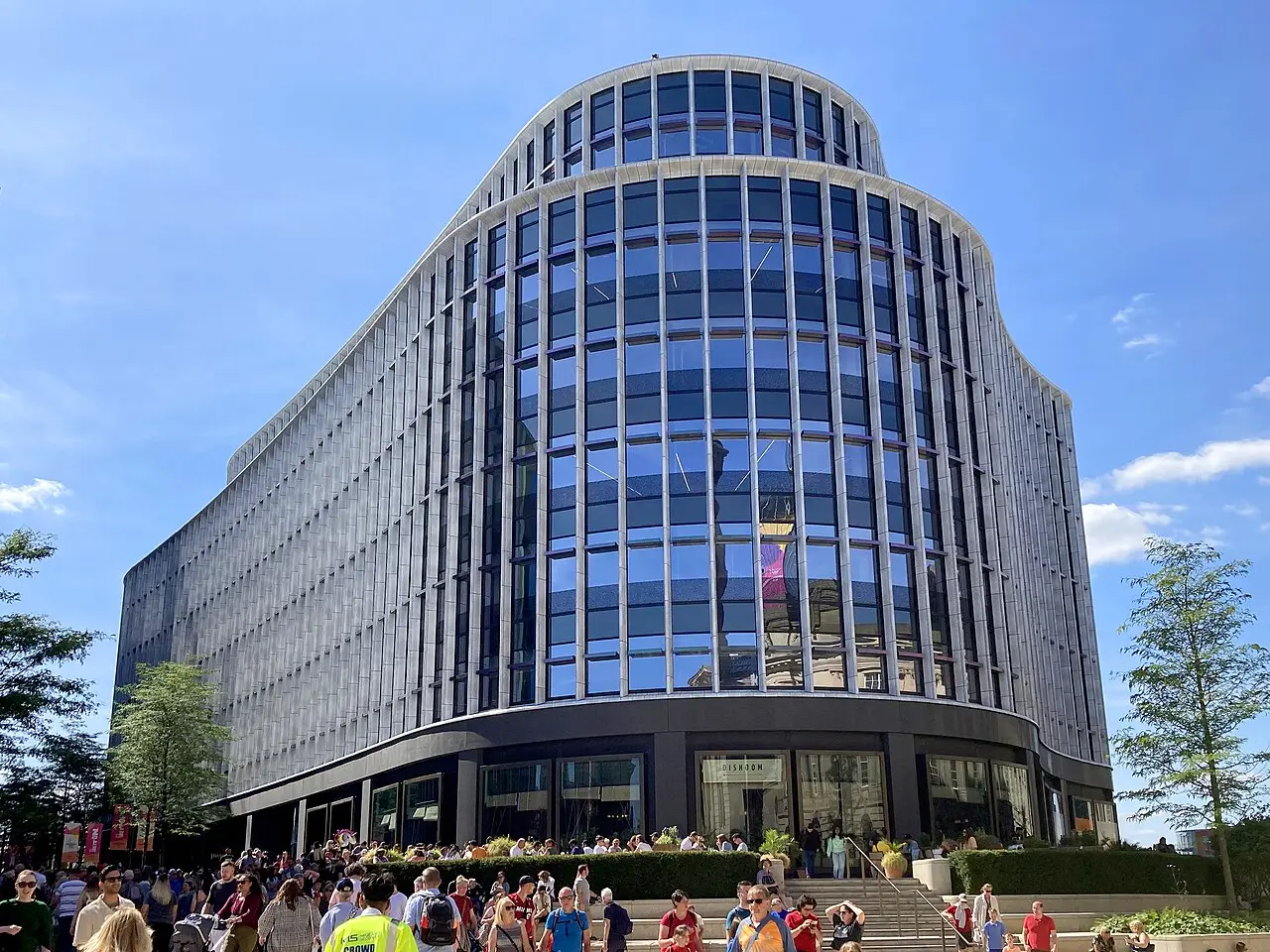
Birmingham City Council's application for a High Court injunction to stop campaigners attaching flags to lampposts and other street furniture has been heard by a judge in Birmingham.
The hearing, before Her Honour Judge Emma Kelly, took place in court 205 at the Birmingham Civil and Family Justice Centre on Bull Street on Wednesday 30 September and lasted around three hours.
The parties
The council was represented by the barrister Jonathan Manning. The defendants named in the case include Ryan Bridge, a co-founder of the Operation Raise the Colours campaign, Billy Allison and Ben Cullen, as well as "persons unknown", a legal term that allows an injunction to apply to anyone who carries out the banned activity.
Why the case returned to court
The case was first heard on 8 September, when Judge Kelly adjourned it. She described aspects of the council's application as "troubling", saying it did not make clear which specific acts were alleged against which named individuals. She also noted that the conduct had been going on for months, and questioned the urgency of the application.
The council was given time to revise its case and set out the allegations against each defendant, and the defendants were given until 22 September to respond in writing.
What the council wants
The council lodged its application on 26 August. It is seeking an injunction to stop unauthorised flags and other items being attached to street furniture across the city, citing highway safety and past threats made to council workers who removed flags. It has said its application is about public safety.
Campaigners argue that flying the Union flag and the St George's cross is a lawful expression of national pride, and have accused the council of trying to suppress it. Supporters of the campaign have attended the hearings.
Freedom of expression
Cases like this raise questions about how to balance the right to freedom of expression, protected by Article 10 of the European Convention on Human Rights, with councils' legal duties to keep roads and pavements safe. Courts must consider whether any restriction is necessary and proportionate.
A national issue
Flags have appeared on lampposts and bridges in many towns and cities across England since the summer of 2025, when the Operation Raise the Colours campaign began. Councils have taken different approaches, with some removing flags and others leaving them in place unless they pose a danger.
Councils say items attached to lampposts can create hazards, such as falling onto roads or blocking signs, and that removing them costs money. Campaigners say flags are a harmless display of patriotism.
What happens next
The court's decision will determine whether an injunction is granted and, if so, what it covers. The council publishes court documents and updates on the case on its website.
Who decides
Injunctions against named people and persons unknown are civil, not criminal, orders. Breaching an injunction can be treated as contempt of court, which can lead to a fine or imprisonment. Judges have become more cautious about injunctions against persons unknown in recent years, following a Supreme Court ruling in 2023 that set out strict safeguards for their use.
The wider picture
The council, led since June by a minority administration of Liberal Democrats, Greens and independent councillors, is also dealing with the long-running bin strike and its financial recovery, and is preparing for the Conservative Party conference, which opens in the city on Sunday.
More in Council and Politics
All

Latest news
Featured posts
-
Things to do
Top 10 places to visit in Birmingham
-
Food and drink
The 12 most popular food spots in Birmingham
-
Things to do
The best laser tag locations in Birmingham