
Bus buyout: what happens next for passengers
The 24 million pound takeover of the region's main bus company is due to complete this autumn.
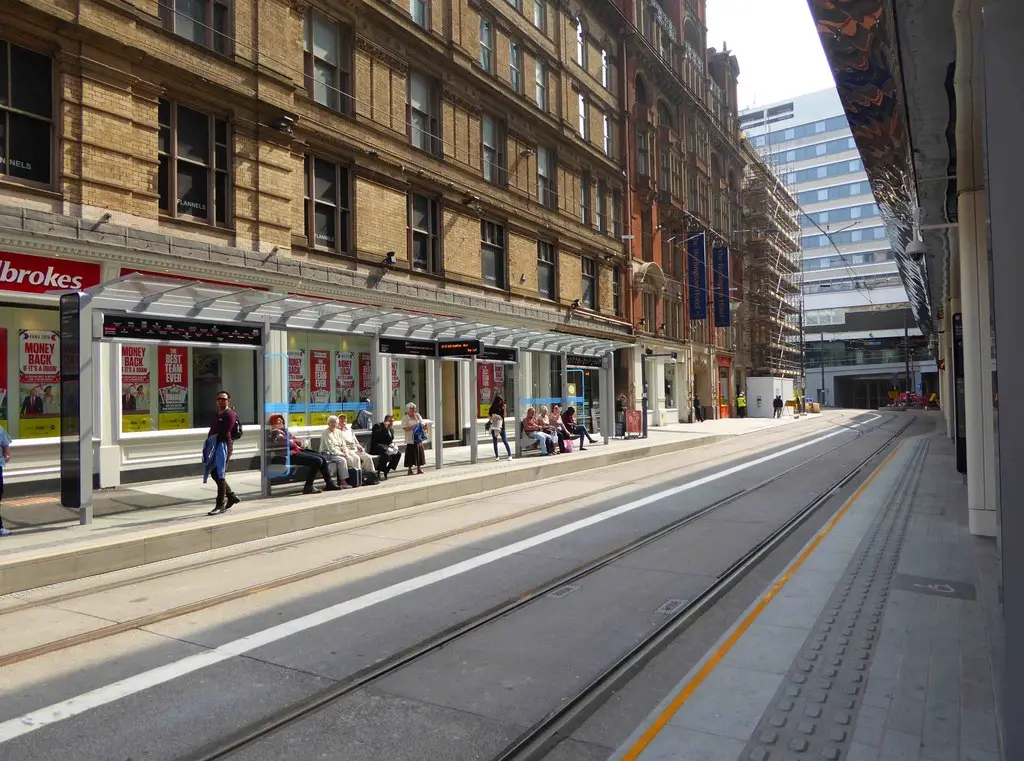
The public takeover of Birmingham's main bus company is expected to be completed later this autumn, in a deal worth 24 million pounds.
The region's combined authority agreed in August to buy the region's bus operations from National Express, whose parent company is the transport group Mobico. The deal covers around 4,800 staff, 1,300 buses and nine depots.
What happens to your bus?
For passengers, very little should change at first. The combined authority has said services, tickets and timetables will continue as normal during the legal and operational handover. Swift cards, passes and existing tickets will still be valid, and buses will continue to run on the same routes.
The company will be run as an arm's length subsidiary of the combined authority, with its own management, to keep services running smoothly while the region moves to a new system of bus franchising.
Why the takeover is happening
National Express runs around 94 per cent of bus journeys in the region, carrying about 4.6 million trips a week. Mobico had been looking to reduce its risks, and the combined authority decided to step in to protect services, jobs and depots ahead of franchising.
The Mayor, Richard Parker, said: "People rely on these buses to get to work, to school or to hospital appointments. They are a public service and I believe they should be run in the public interest."
Franchising
Under franchising, the combined authority will decide routes, timetables and fares, and contract operators to run the services. It will be introduced in three phases:
- North Birmingham, Coventry and Walsall, from October 2027
- Dudley, Sandwell and Wolverhampton, in 2028
- South Birmingham and Solihull, in 2029
What passengers want
Passenger groups say they want more reliable services, buses that turn up when the timetable says they will, simpler and cheaper fares, and better services in the evenings and at weekends. Many also want improvements to bus shelters, real-time information and accessibility.
The cost question
Public control means the combined authority will take on the financial risk of running buses, including if fare income falls or costs rise. Higher diesel prices, which have passed 2 pounds a litre, are already adding to the cost of running bus fleets, although many buses in Birmingham now run on electricity or hydrogen.
Learning from Manchester
Greater Manchester was the first area outside London to bring buses back under public control through franchising, with its yellow Bee Network buses. Passenger numbers there have risen since the change, and the Prime Minister, Andy Burnham, who led the change as Mayor of Greater Manchester, has encouraged other areas to follow.
Staff
Bus drivers and other staff will transfer with the business. Under employment law, staff who move to a new owner in this way normally keep their existing terms and conditions.
Keep up to date
Passengers can follow updates about the takeover and franchising on the combined authority's website, and check live service information before they travel.
The history of the buses
Birmingham's buses were run by the city council for most of the 20th century, before passing to the new regional Passenger Transport Executive in 1969. After deregulation in 1986, the business was privatised and later became part of National Express. The takeover means the main bus operator in the region will once again be in public hands.
More in Transport
All


Latest news
Featured posts
-
Things to do
Top 10 places to visit in Birmingham
-
Food and drink
The 12 most popular food spots in Birmingham
-
Things to do
The best laser tag locations in Birmingham