
Borrowing overshoot piles pressure on Healey before the Budget
Borrowing is 8.1 billion pounds above forecast with the Budget due on 28 October.
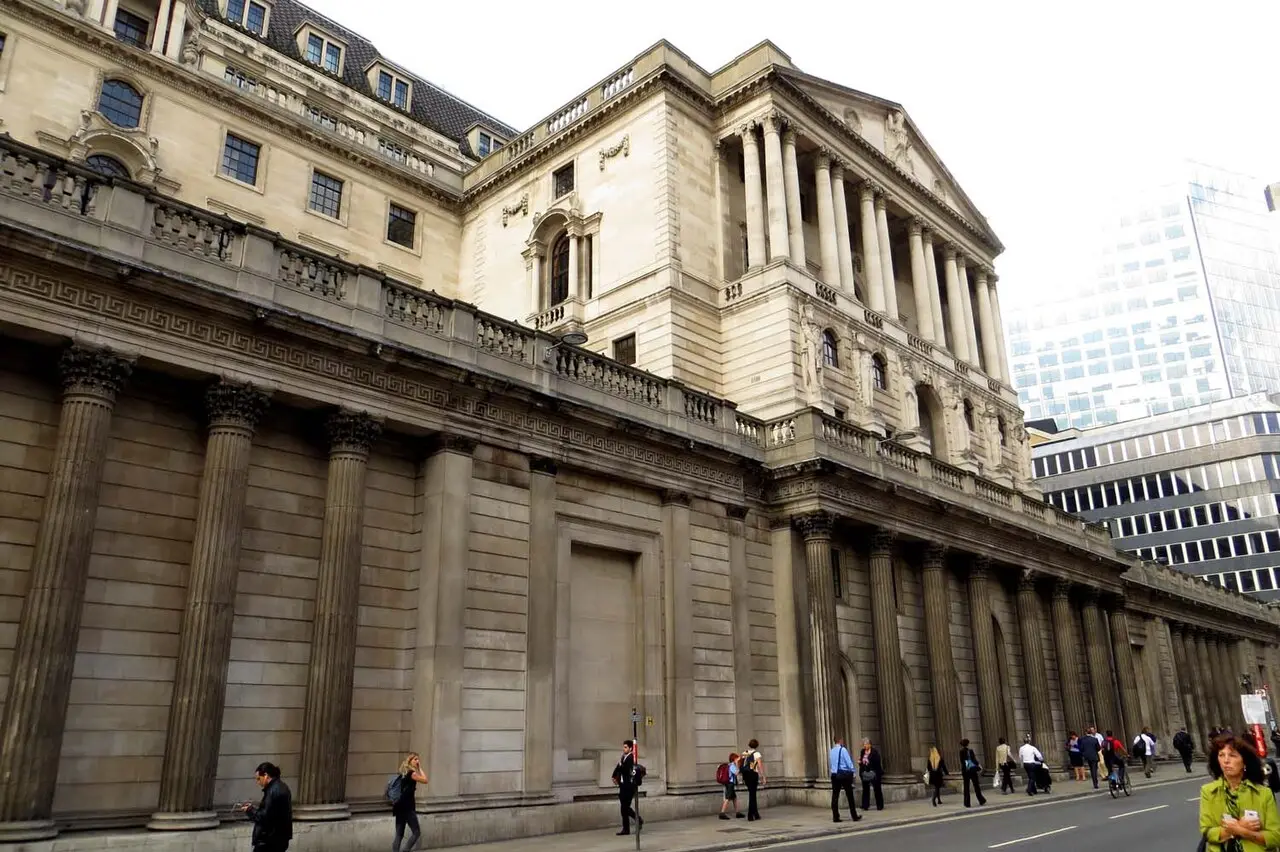
With just over three weeks until his first Budget, the Chancellor, John Healey, faces a difficult task after government borrowing ran ahead of official forecasts.
The Budget will be delivered on Wednesday 28 October. It is expected to include tax rises or spending cuts, after the latest figures showed the Government borrowed more than expected over the summer.
The figures
The Office for National Statistics said the Government borrowed 18.3 billion pounds in August, about 3.5 billion pounds more than the Office for Budget Responsibility had predicted. Over the first five months of the financial year, borrowing was 8.1 billion pounds higher than the OBR forecast in March.
Interest payments on government debt rose to 8.8 billion pounds in August. Public sector debt remained just below 3 trillion pounds.
The fiscal rules
The Government's main fiscal rule says that, by the third year of the OBR's forecast, tax receipts must cover day-to-day spending, so that borrowing is only used for investment. The margin by which the Government is meeting that rule, known as headroom, stood at 23.6 billion pounds at the last forecast.
Economists say that headroom is likely to have been eroded by higher borrowing, higher interest rates and weaker growth since the war involving Iran pushed up energy prices.
What economists say
Ruth Gregory, of Capital Economics, said the figures painted a "dismal picture". She said the Chancellor might need to find up to 14 billion pounds through tax rises or spending cuts.
Thomas Pugh, chief economist at the consultancy RSM UK, said: "Another round of tax rises in October now looks inevitable."
The opposition's view
The shadow chancellor, Andrew Griffith, said: "It took a rare fiscal incontinence to have both the highest tax take in history and see borrowing still shoot up."
What Healey has said
In his first conference speech as Chancellor last week, Mr Healey said the Government would stick to its fiscal rules. "There's nothing progressive about losing control. Because it's working people who pay for it," he said.
He has also promised reform of the welfare system and new investment in industry, including apprenticeships and shipbuilding.
Pledges that limit his options
The Prime Minister, Andy Burnham, has said he will keep Labour's pledges not to raise income tax or National Insurance for employees. Those taxes raise a large share of the Government's revenue, which means any tax rises are likely to come from other areas, such as thresholds, property, wealth, pensions or business taxes.
Already announced
Some Budget measures have already been trailed, including the Your First Home scheme for first-time buyers, which will offer equity loans to people buying new-build homes with a 2.5 per cent deposit.
Why it matters
Decisions in the Budget will affect household finances, public services and businesses across the country, including council funding, which matters greatly to Birmingham City Council as it recovers from its own financial crisis. Councils will learn more about their funding for next year in the local government finance settlement, usually published in December.
What happens on the day
The Chancellor will deliver his statement in the House of Commons, and the OBR will publish its new forecasts for the economy and public finances at the same time.
More in Economy
All
Latest news
Featured posts
-
Things to do
Top 10 places to visit in Birmingham
-
Food and drink
The 12 most popular food spots in Birmingham
-
Things to do
The best laser tag locations in Birmingham