
Bailey warns resilience "cannot be taken for granted" as shocks pile up
The Bank of England Governor says war, debt and AI-related lending all pose risks to the financial system.
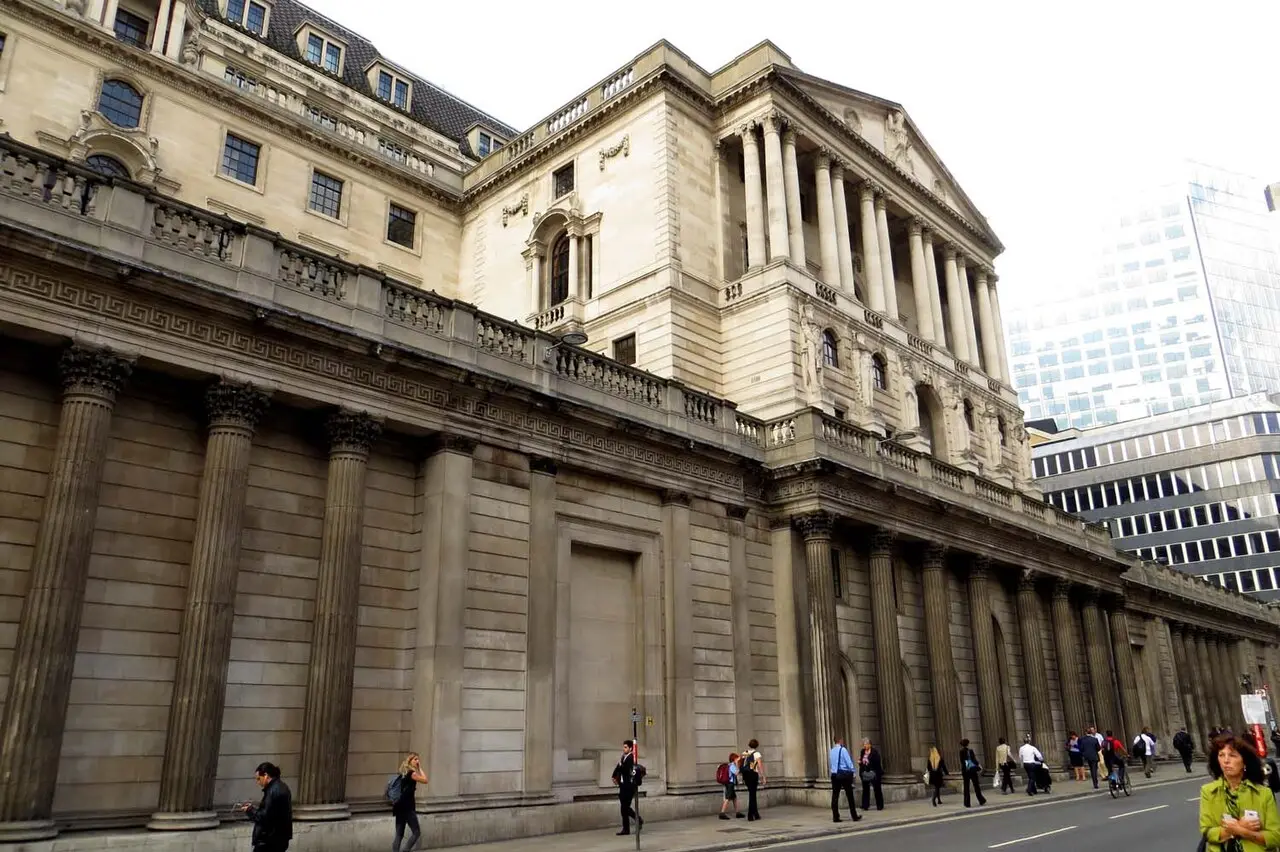
The financial system has weathered a series of shocks so far, but its resilience "cannot be taken for granted", the Governor of the Bank of England has warned.
In a speech at an economic forum hosted by the Central Bank of the Republic of Turkey in Istanbul on Thursday, Andrew Bailey said weaker growth, repeated supply shocks, rising government debt, leveraged markets and growing lending linked to artificial intelligence all created risks.
The risks
Mr Bailey said the conflict in the Middle East had created "major uncertainty about growth, inflation and interest rates". Weaknesses in government bond markets, credit markets and asset valuations "could crystallise together".
"The rapid expansion of financing connected with artificial intelligence has created new exposures," he said, "while incidents involving frontier AI have underlined the associated operational, cyber and financial risks."
So far, so resilient
He stressed that banks remain well capitalised, that there is no sign of funding stress, and that most markets have kept working without a major breakdown, despite big rises in government bond yields. He credited the reforms brought in after the 2008 financial crisis. "Those reforms are sometimes criticised as burdensome. Today, their value is clear," he said.
A world of repeated shocks
Mr Bailey said Covid, Russia's invasion of Ukraine and the conflict in the Middle East had each disrupted the supply capacity of economies, and had followed one another "with unusual speed". He suggested that a more divided world, in which economic policy is increasingly used for geopolitical competition, "may produce more frequent disruptions".
That poses a dilemma for central banks. A supply shock pushes inflation up while weakening growth. "Interest rates cannot produce more oil or gas," he said, and the usual response is to "look through" a one-off jump in prices. But that only works if people's expectations of future inflation stay anchored. If households and businesses build higher inflation into wage demands and prices, "a temporary shock can become persistent".
Recent history makes that risk greater, he said: after the inflation that followed Covid and the invasion of Ukraine, people may be quicker to expect more.
Debt and bond markets
Mr Bailey said repeated shocks and weak growth make it harder for governments to use borrowing to cushion downturns. "If markets begin to doubt the fiscal trajectory, bond yields can rise further, tightening monetary and financial conditions," he warned. He called for credible monetary and fiscal frameworks, and for strengthening core financial markets so they can absorb shocks rather than amplify them.
Why it matters at home
The Bank's interest rate decisions affect mortgages, loans and savings for every household. Mr Bailey's emphasis on keeping inflation expectations anchored suggests the Bank will be wary of cutting rates while energy prices remain high. The speech comes less than three weeks before the Budget, when the Government's plans for borrowing will be closely watched by the same bond markets he described.
More in Economy
All
Latest news
Featured posts
-
Things to do
Top 10 places to visit in Birmingham
-
Food and drink
The 12 most popular food spots in Birmingham
-
Things to do
The best laser tag locations in Birmingham