
Birmingham named a World Craft City for its jewellery trade
The Jewellery Quarter still makes around 40 per cent of the UK's jewellery, continuing a trade first recorded in 1308.
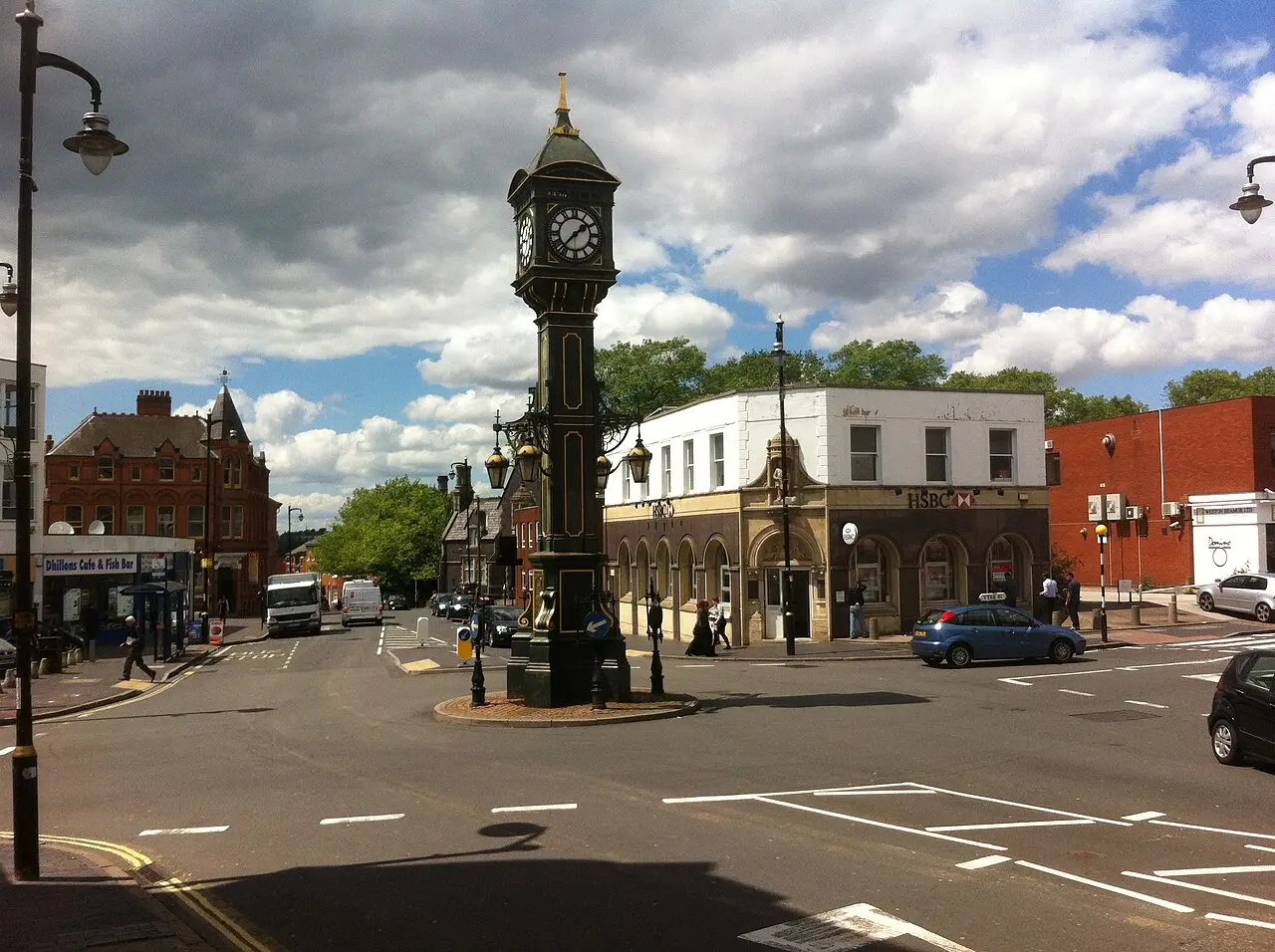
Birmingham has been named a World Craft City by the World Crafts Council, in recognition of the jewellery trade that has been part of the city's life for more than 700 years.
The designation, announced in June 2025, celebrates the Jewellery Quarter, which remains the heart of the British jewellery industry.
Europe's largest jewellery district
The Jewellery Quarter is Europe's largest concentration of businesses involved in the jewellery trade. Around 40 per cent of all the jewellery made in the UK is still produced by the 300 or so independent manufacturers based there, continuing a trade first recorded in Birmingham in 1308.
It is also home to the world's largest Assay Office, which hallmarks around 12 million items a year. The Birmingham Assay Office was established in 1773 after a petition by industrialists including Matthew Boulton, and helped the area's metalworking trades to grow.
How the quarter grew
The land that became the Jewellery Quarter was released for building by the Colmore family in the 18th century. As the middle classes moved out, their houses were replaced by workshops and factories for goldsmiths and silversmiths, who made keys, seals, watch chains, buckles and comb ornaments.
Unlike the huge mills of the Industrial Revolution, jewellery was mostly made in small workshops employing between five and fifty people. By 1850, it is believed that half of the gold and silverware on sale in London jewellery shops had been made in Birmingham, and the quarter went on to make a large proportion of the British Empire's fine jewellery.
A living trade
Much of the quarter's historic character survives. Many of its old workshops and factories are protected within a conservation area, and it is home to Key Hill and Warstone Lane cemeteries, the Museum of the Jewellery Quarter and a thriving mix of independent jewellers, craftspeople, bars and restaurants.
The recognition places Birmingham alongside other cities around the world celebrated for their living craft traditions, and supporters hope it will help attract visitors and investment, and encourage young people to train in the trade.
A boost for the city
The World Crafts Council designation recognises cities where craft plays an important role in culture, economy and community life. For Birmingham, long known as the "city of a thousand trades", it is a reminder that skilled making remains part of the city's identity alongside its modern industries.
Visitors can explore the quarter's history through its museums and heritage trails, or simply by walking its streets, where the trade still goes on behind many of the doors.
More in Arts and Culture
All


Latest news
Featured posts
-
Things to do
Top 10 places to visit in Birmingham
-
Food and drink
The 12 most popular food spots in Birmingham
-
Things to do
The best laser tag locations in Birmingham