
Jaguar ends car production at Castle Bromwich, the former Spitfire factory
The plant will now press body panels, closing a chapter that began with Spitfires in the Second World War.

Jaguar has ended production of complete cars at its Castle Bromwich factory in Birmingham, bringing to a close decades of car assembly at the historic site.
The plant, owned by Tata Motors, will now make pressed steel body panels for Jaguar cars built elsewhere, rather than complete vehicles.
Home of Jaguar's saloons and sports cars
The factory on Chester Road in Castle Vale has manufactured all of Jaguar's saloon and sports cars. It stands on a 110-acre site with a manufacturing floor of 60,000 square metres, and employs around 3,200 people.
Built to make Spitfires
The site has one of the most remarkable histories of any factory in Britain. It was first built as the Castle Bromwich Aircraft Factory, a "shadow factory" set up before the Second World War as part of a Government plan to use the car industry's skills to boost aircraft production.
In 1936 the Air Ministry bought land opposite Castle Bromwich Aerodrome, including an old sewage works. The factory was developed and managed by the Nuffield Organization, owners of Morris Motors, and was tasked with building Supermarine Spitfire fighters and later Avro Lancaster bombers. The idea was that Birmingham's motor industry skills could be turned to making aircraft.
The early years were difficult. The cost of the factory doubled from an estimated £2 million to more than £4 million, and by May 1940 it had yet to build its first Spitfire, despite promises of 60 a week. After management changes, it went on to become one of the largest producers of aircraft during the war, building every version of the Spitfire from the Mark II onwards.
Its chief test pilot, Alex Henshaw, led a team that flight-tested the aircraft in almost any weather, and remained full of praise for the workforce for the rest of his life.
A new role
After the war the site turned to car production, and in recent decades it has been one of the flagships of Birmingham's motor industry, alongside the former Rover works at Longbridge.
The factory will continue to operate as a component manufacturer, pressing steel body panels for Jaguar cars assembled at other plants.
For Castle Vale and the surrounding area, the factory remains a major employer, and its roundabout, Spitfire Island, with its "Sentinel" sculpture of three Spitfires in flight, is a daily reminder of the part the site played in the city's history.
During the war, the Air Transport Auxiliary flew the tested aircraft from Castle Bromwich to maintenance units around the country, where radio equipment and other kit was fitted before they joined the fight.
More in Business
All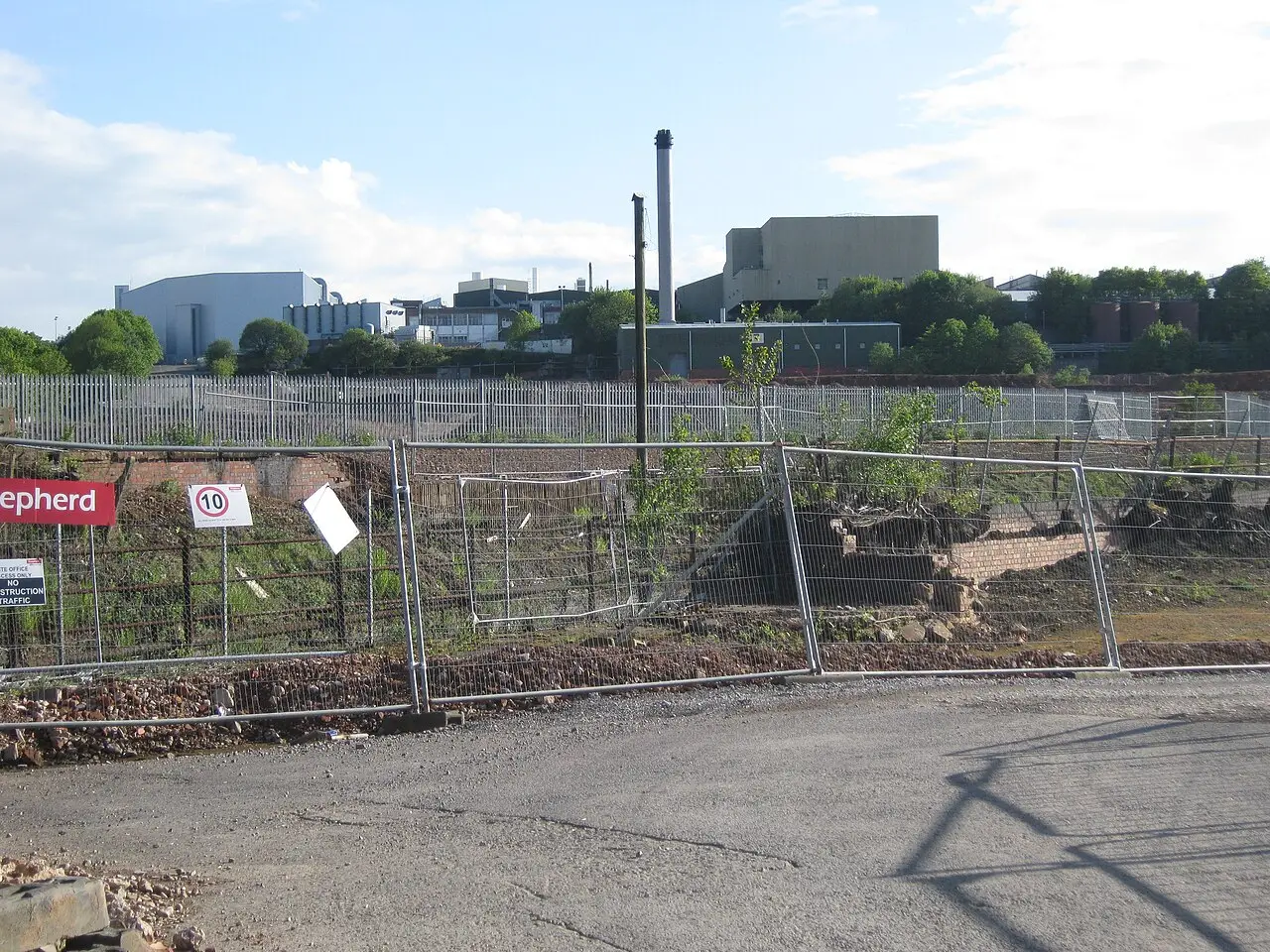

Latest news
Featured posts
-
Things to do
Top 10 places to visit in Birmingham
-
Food and drink
The 12 most popular food spots in Birmingham
-
Things to do
The best laser tag locations in Birmingham