
MG Rover Group formally dissolved, 18 years after Longbridge collapse
The last British-owned mass-production car maker went into administration in April 2005 with debts of £1.4 billion.
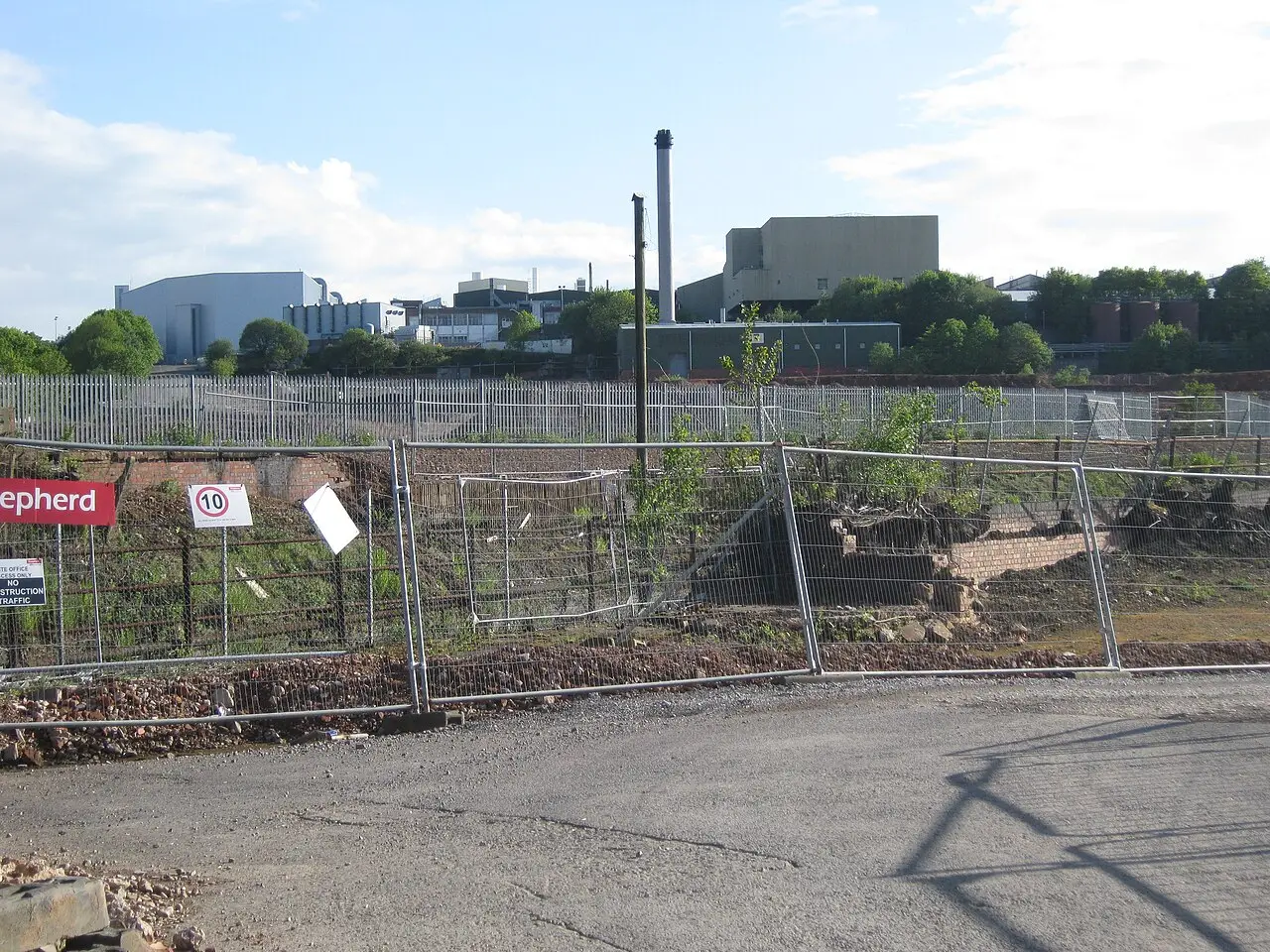
MG Rover Group, the last British-owned mass-production car maker, has been formally dissolved, more than 18 years after it collapsed with the loss of thousands of jobs at Longbridge.
The company was dissolved on 28 May, bringing the final legal chapter to a close on a business that went into administration in April 2005.
Bought for £10
MG Rover was formed in 2000, when the German car maker BMW sold off the Rover Group's volume car business because of constant losses and a declining market share. BMW had bought the Rover Group from British Aerospace in 1994, but had sold Land Rover to Ford and kept the new Mini for itself, based in Cowley.
What remained, the volume car business that had grown out of British Leyland and the old Austin and Morris companies, consisted solely of the Longbridge plant in Birmingham. In May 2000 it was bought for a nominal £10 by the Phoenix Consortium, a group of businessmen led by former Rover chief executive John Towers.
Losses and collapse
The new company reported losses of around £400 million in its first eight months. Its best year for sales was its first full year, 2001, when it sold more than 170,000 cars, but by 2004 sales had fallen to around 120,000. It cut its losses to around £80 million, but never made a profit.
MG Rover ceased trading on 8 April 2005, with debts of more than £1.4 billion, after a proposed alliance with the Chinese car maker SAIC collapsed.
What happened to Longbridge
MG Rover's key assets were bought by Nanjing Automobile Group, which restarted MG sports car production at Longbridge in 2007. Nanjing later merged with SAIC Motor, China's largest vehicle maker, and in 2009 the UK business was renamed MG Motor UK.
The MG TF was built at Longbridge and sold in the UK from 2008 to 2010, and in 2011 the MG6, the first all-new MG for 16 years, was assembled at the factory. But car production at Longbridge on the old scale never returned, and much of the huge site has since been redeveloped.
The end of an era
Longbridge opened in 1905 and at its peak in the late 1960s employed around 25,000 people, building cars including the original Mini. Its decline was felt deeply across south Birmingham, where generations of families had worked at "the Austin".
The dissolution of MG Rover Group is a formality, but it marks the final end of a company whose collapse was one of the defining moments in the recent history of both Birmingham and the British car industry.
More in Business
All

Latest news
Featured posts
-
Things to do
Top 10 places to visit in Birmingham
-
Food and drink
The 12 most popular food spots in Birmingham
-
Things to do
The best laser tag locations in Birmingham