
Government to pay 80 per cent of wages
Furloughed workers will receive up to £2,500 a month.

The government will pay up to 80 per cent of the wages of workers who cannot work because of the coronavirus outbreak, in an unprecedented move to protect jobs.
The Chancellor, Rishi Sunak, announced the Coronavirus Job Retention Scheme on 20 March, saying it was the first time in the country's history that the government had stepped in to help pay people's wages.
How it will work
Employers will be able to apply for grants covering 80 per cent of the wages of staff they keep on but have no work for, up to £2,500 a month. The scheme will be backdated to 1 March and will run for at least three months.
Workers kept on in this way are described as furloughed. They will remain employed but will not be able to work for their employer.
There is no limit on the amount of money available.
Other help
Sunak also announced that VAT payments due in the next three months would be deferred, worth around £30 billion, and that universal credit and working tax credits would be increased by around £1,000 a year.
Earlier this week, he announced £330 billion of loan guarantees for businesses.
Pubs and restaurants close
On the same day, the Prime Minister, Boris Johnson, ordered pubs, cafes, restaurants, gyms and cinemas across the country to close from tonight, to slow the spread of the virus.
Many businesses have already seen their customers disappear, and there have been fears of mass lay-offs.
Reaction
Business groups and trade unions have welcomed the scheme. The TUC general secretary, Frances O'Grady, said it was the right thing to do.
But there are concerns about self-employed workers, who are not covered by the scheme. Sunak has said the government is looking at how to help them.
The cost
The scheme could cost tens of billions of pounds, and government borrowing is expected to rise sharply this year. Sunak said the government would do whatever it takes to support people through the crisis.
A global emergency
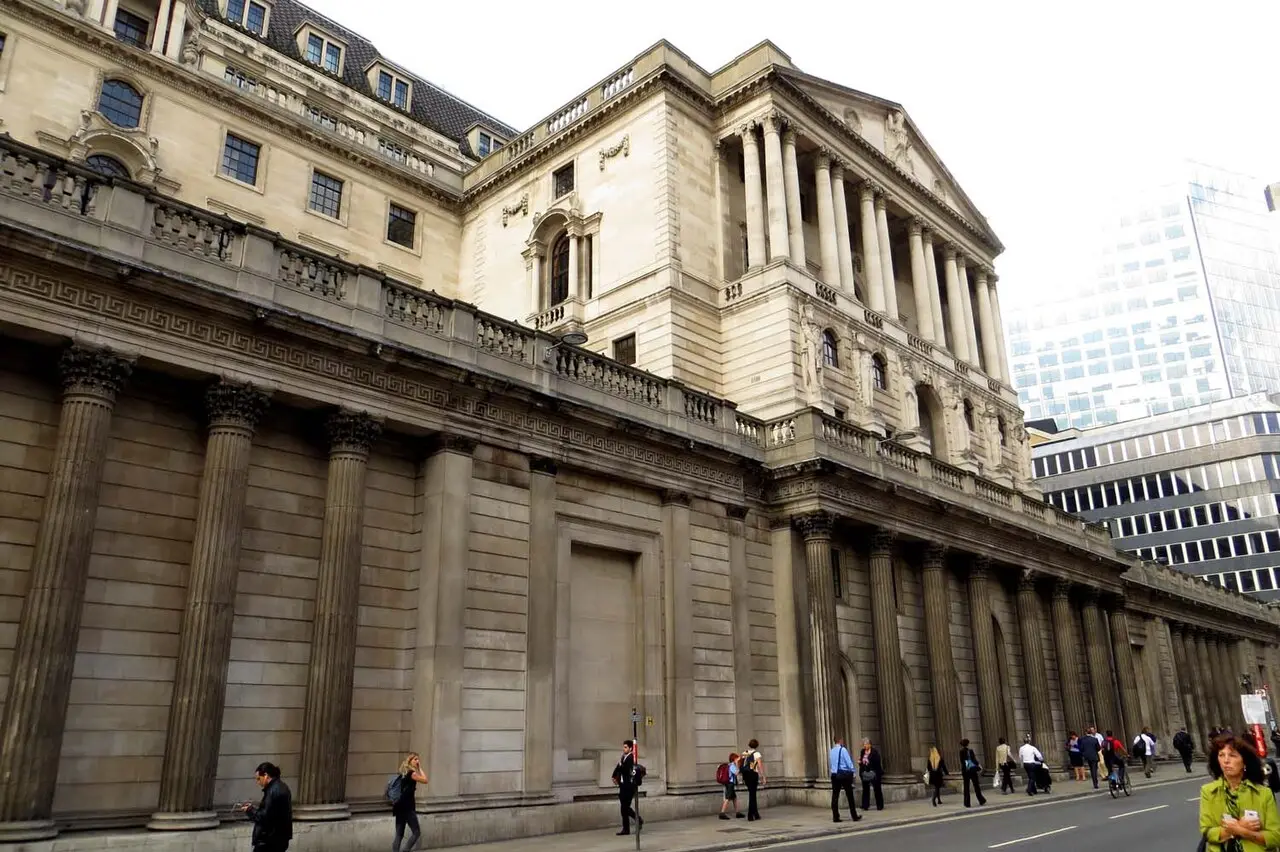
Governments around the world are taking similar steps to protect their economies from the effects of the pandemic. The Bank of England has cut interest rates to 0.1 per cent, the lowest in its history.
Economists are predicting a deep recession in the coming months.
More in Economy
All
Latest news
Featured posts
-
Things to do
Top 10 places to visit in Birmingham
-
Food and drink
The 12 most popular food spots in Birmingham
-
Things to do
The best laser tag locations in Birmingham