
Pub bombings inquests find 21 were unlawfully killed
The jury found a botched IRA warning call caused or contributed to the deaths in 1974.
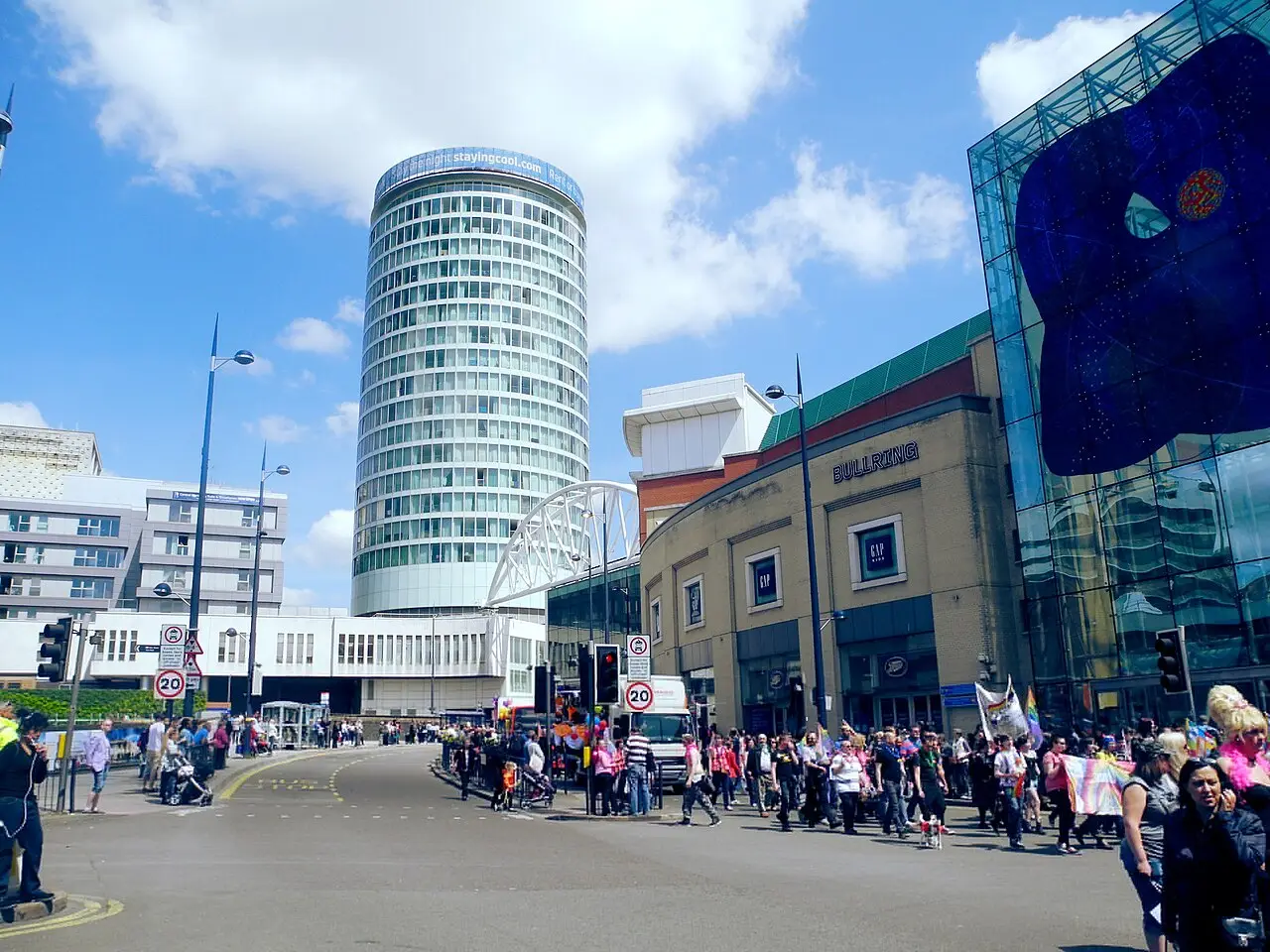
The jury at the inquests into the Birmingham pub bombings has concluded that the 21 people who died were unlawfully killed, and that a botched IRA warning call caused or contributed to their deaths.
The findings were delivered on 5 April, bringing to an end the long-awaited inquests into the attacks on the Mulberry Bush and the Tavern in the Town on 21 November 1974.
The jury's findings
The jury of 11 found that the inadequate warning given by the IRA before the bombings caused or contributed to the deaths. It also found that there had been no error or omission in the police response to the warning call that might have reduced the loss of life.
The inquests were not permitted to consider the question of who was responsible for the bombings. In September 2018, senior judges upheld an earlier decision by the coroner to leave the issue of the perpetrators outside the scope of the hearings.
Weeks of evidence
The resumed inquests opened on 11 February, more than 44 years after the bombings. Over the following weeks, the jury heard from survivors, emergency workers, police officers and experts about the events of that night.
In March, a witness known only as Witness O, who had been given permission by the IRA to give evidence, named four men he said were responsible for the attacks, and said he believed the authorities had been given enough time to clear the pubs.
A long fight
The inquests were only resumed after a long campaign by the victims' families. In June 2016, the senior coroner for Birmingham and Solihull, Louise Hunt, announced that they would be reopened, citing evidence that the police may have received warnings before the attacks.
Much of that campaign was led by Justice for the 21, founded by Julie and Brian Hambleton, whose 18-year-old sister Maxine was killed in the Tavern in the Town. The families have long called for the criminal investigation to be reopened and for those responsible to be brought to justice or publicly named.
The attacks
On the evening of 21 November 1974, bombs exploded in the two busy city centre pubs, the Mulberry Bush at the foot of the Rotunda and the Tavern in the Town on New Street. Twenty-one people were killed and 182 were injured, most of them young people between 17 and 30.
Six Irishmen, who became known as the Birmingham Six, were wrongly convicted of the bombings in 1975. Their convictions were quashed by the Court of Appeal in 1991 after 16 years in prison, in one of the most notorious miscarriages of justice in British legal history. No one else has ever been convicted.
What next
For the families, the conclusions provide an official finding on how their loved ones died, but not the answers they most want about who carried out the attacks. Campaigners have said they will continue to press for a public inquiry and for the case to be pursued.
The bombings remain one of the darkest events in the city's history, and the 21 who died are remembered each year in Birmingham on the anniversary of the attacks.
More in Crime and Safety
All

Latest news
Featured posts
-
Things to do
Top 10 places to visit in Birmingham
-
Food and drink
The 12 most popular food spots in Birmingham
-
Things to do
The best laser tag locations in Birmingham