
Pound plunges after Brexit vote
Sterling falls to a 31-year low against the dollar.

The pound has fallen to its lowest level against the dollar for more than 30 years, after Britain voted to leave the European Union.
Sterling fell by more than 10 per cent in the hours after the referendum result became clear on 24 June, dropping below $1.33 at one point.
Market turmoil
The FTSE 100 index of leading shares fell by more than 8 per cent when trading began, before recovering some of its losses. Shares in banks and housebuilders were among the hardest hit.
Markets around the world also fell, as investors reacted to the uncertainty about Britain's future relationship with the EU.
The fall in the pound was the biggest one-day drop in its modern history.
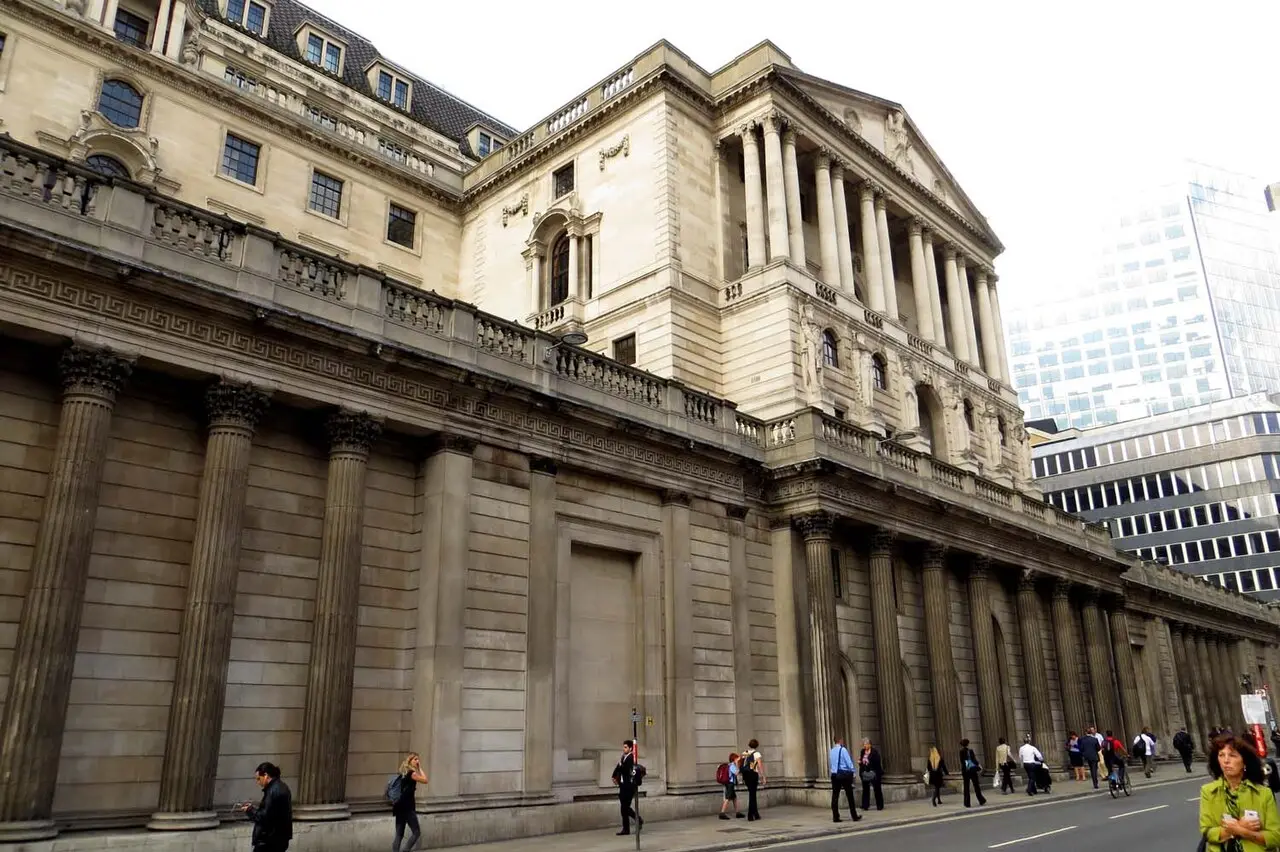
The Bank of England
The Governor of the Bank of England, Mark Carney, made a statement on the morning of the result, saying the Bank was ready to provide £250 billion to support the financial system and would not hesitate to take further action.
He said Britain's banks were strong and well prepared, and that the Bank had made extensive contingency plans.
What it means
A weaker pound makes British exports cheaper abroad, which could help some manufacturers. But it also makes imports more expensive, which could push up prices for goods such as food, fuel and clothing, and make holidays abroad more expensive.
Economists have warned that uncertainty could lead businesses to delay investment and hiring, which could slow the economy.
Cameron resigns
The Prime Minister, David Cameron, who campaigned to remain in the EU, has announced that he will step down by October. The Chancellor, George Osborne, had warned during the campaign that a vote to leave would damage the economy.
What happens next
Britain will remain a member of the EU while it negotiates its departure, a process expected to take at least two years once it is formally started.
The terms of Britain's future trade with the EU, its largest trading partner, are unknown. Business groups have called for stability and for clarity as soon as possible.
The Midlands
Car makers and manufacturers in the Midlands, which export heavily to Europe, are watching closely. Many rely on parts moving freely across borders.
The ratings agencies have warned that Britain's credit rating could be cut.
More in Economy
All
Latest news
Featured posts
-
Things to do
Top 10 places to visit in Birmingham
-
Food and drink
The 12 most popular food spots in Birmingham
-
Things to do
The best laser tag locations in Birmingham