
New inquests ordered into the Birmingham pub bombings
The coroner says there is evidence police may have had advance warnings of the 1974 attacks.
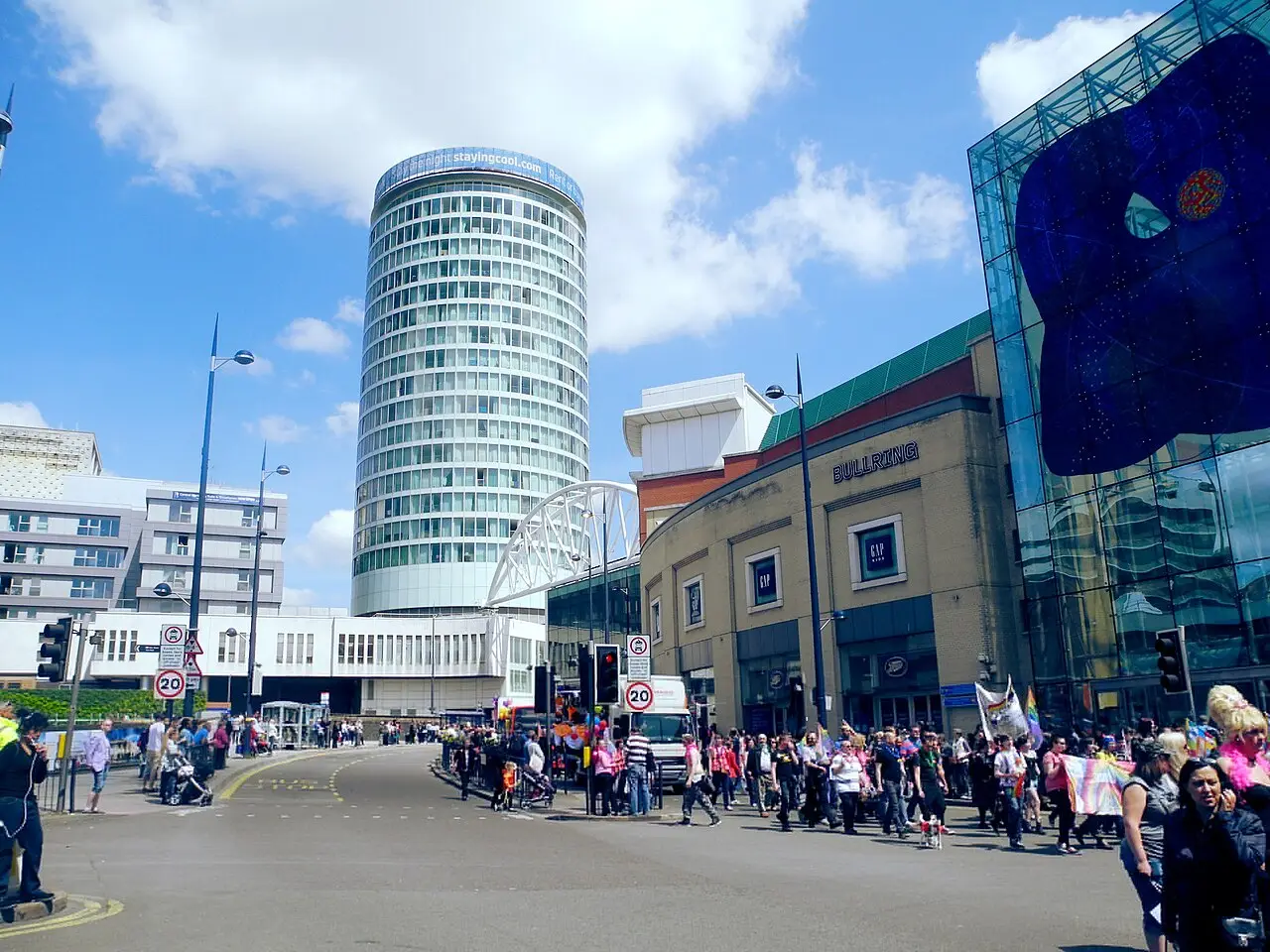
New inquests are to be held into the deaths of the 21 people killed in the Birmingham pub bombings, more than 40 years after the attacks.
The senior coroner for Birmingham and Solihull, Louise Hunt, announced on 1 June that she would resume the inquests, saying there was evidence that the police may have had advance warnings of the attacks.
The coroner's decision
In announcing her decision, the coroner pointed to two occasions on which the police appear to have received warnings before the bombings. One was a conversation in which known IRA members were said to have stated, on 10 November 1974, that Birmingham was to be "hit next week". That conversation was reported to police, but no evidence is known to exist showing that any effective action was taken in response. A second warning is said to have been given to police on the day of the bombings itself.
Whether those warnings were acted on is one of the questions families have been asking for decades.
The night of 21 November 1974
On the evening of 21 November 1974, bombs exploded at two busy city centre pubs, the Mulberry Bush at the foot of the Rotunda and the Tavern in the Town on New Street. Twenty-one people were killed and 182 were injured. Most of those who died were young, between the ages of 17 and 30.
Six Irishmen were arrested within hours and jailed for life in 1975. The men, who became known as the Birmingham Six, always maintained their innocence, and after 16 years in prison their convictions were quashed by the Court of Appeal in 1991. The case is regarded as one of the worst miscarriages of justice in British legal history. No one else has ever been convicted of the bombings.
A family campaign
The decision is a significant moment for the Justice for the 21 campaign, set up in 2011 by Julie and Brian Hambleton, whose 18-year-old sister Maxine was killed in the Tavern in the Town.
The campaign has fought to have the criminal investigation reopened and those responsible brought to justice or, if they have died, publicly named. "Someone has to fight for them; someone has to speak on their behalf, because they're not here to do it themselves," Julie Hambleton said in 2012.
The families' frustration grew in 2014, when campaigners were told after a two-year review of the evidence that there would be no further inquiry unless new and significant information came forward. At the same meeting, they were informed that 35 items of evidence from the original investigation were now missing.
What happens next
The resumed inquests will examine the circumstances in which the 21 victims died. The timing of hearings and the questions they will cover are yet to be set out, and there are expected to be legal arguments over the scope of the proceedings before they begin.
For the families, many of whom have waited more than four decades for answers, the announcement offers the prospect of a full public examination of what happened on one of the darkest nights in the city's history.
More in Crime and Safety
All

Latest news
Featured posts
-
Things to do
Top 10 places to visit in Birmingham
-
Food and drink
The 12 most popular food spots in Birmingham
-
Things to do
The best laser tag locations in Birmingham