
Car production ends at Longbridge after 110 years
MG Motor will import all its cars, but keeps its engineering centre on the historic site.
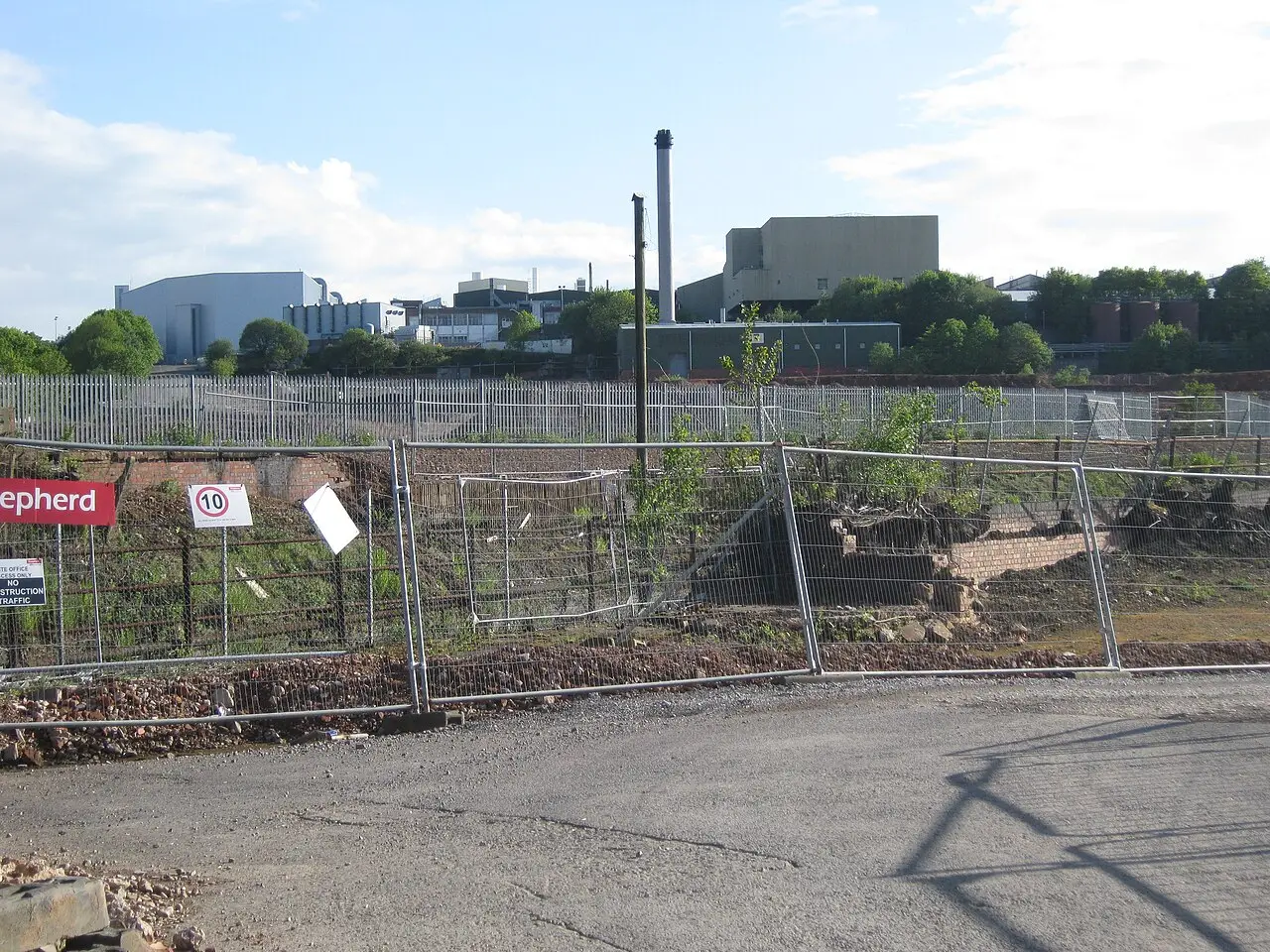
Car production at Longbridge has come to an end. MG Motor announced on 23 September that it has stopped building cars at the historic plant, and that all MG vehicles sold in Britain will now be imported.
The decision closes a chapter that began more than a century ago, when Herbert Austin started making cars on the site in 1906.
A shadow of its former self
In recent years, the car-making operation at Longbridge has been a small one. Since 2011, MG 6 cars have arrived from China almost complete, needing only their engines, front suspension, nose trim and wheels to be fitted. The plant no longer has working body welding or paint shops. Production of the MG 3 supermini began in 2012, and by 2014 the site employed around 400 people.
Car production returned to Longbridge in August 2008, three years after the collapse of MG Rover, when the MG TF sports car went back into production in part of the old Austin South Works. Only 906 TFs were built before the model was dropped.
The site's owner, SAIC, will keep its engineering and design centre at Longbridge. The SAIC Motor Technical Centre moved there from Leamington in 2008 and was formally unveiled in 2010, complete with its styling studio.
A century of cars
Few places are as closely tied to the story of the British motor industry. The factory Herbert Austin moved into had been built as a printing works in 1895 but had failed. Austin's first car was completed in March 1906, and about a dozen were built in the first year by a workforce of around 50.
The plant grew rapidly. In both world wars, it turned to making munitions and military equipment. In peacetime, it built some of Britain's best-loved cars, including the original Mini and the Austin Metro, which was launched in 1980. By the late 1960s, around 25,000 people worked there.
Decline and collapse
The plant passed through the hands of British Leyland, Rover Group, British Aerospace and BMW. In 2000, BMW sold Rover to the Phoenix consortium for a nominal £10, creating MG Rover. When MG Rover went into administration in April 2005, more than 6,000 jobs were lost at Longbridge and thousands more in the supply chain.
Nanjing Automobile bought the remaining assets later that year, and in 2007 it merged with SAIC, bringing the site under SAIC's control.
What remains
Much of the old factory has already been demolished to make way for new homes, shops and a new local centre south of Longbridge Lane, as the area is redeveloped.
The end of assembly will be felt most keenly by the families who worked at the plant for generations. For them, Longbridge was never just a factory, and the news that no more cars will roll out of its gates marks the end of an era for south Birmingham.
More in Business
All

Latest news
Featured posts
-
Things to do
Top 10 places to visit in Birmingham
-
Food and drink
The 12 most popular food spots in Birmingham
-
Things to do
The best laser tag locations in Birmingham