
Paris climate agreement reached
Countries agree to limit warming to well below 2 degrees.
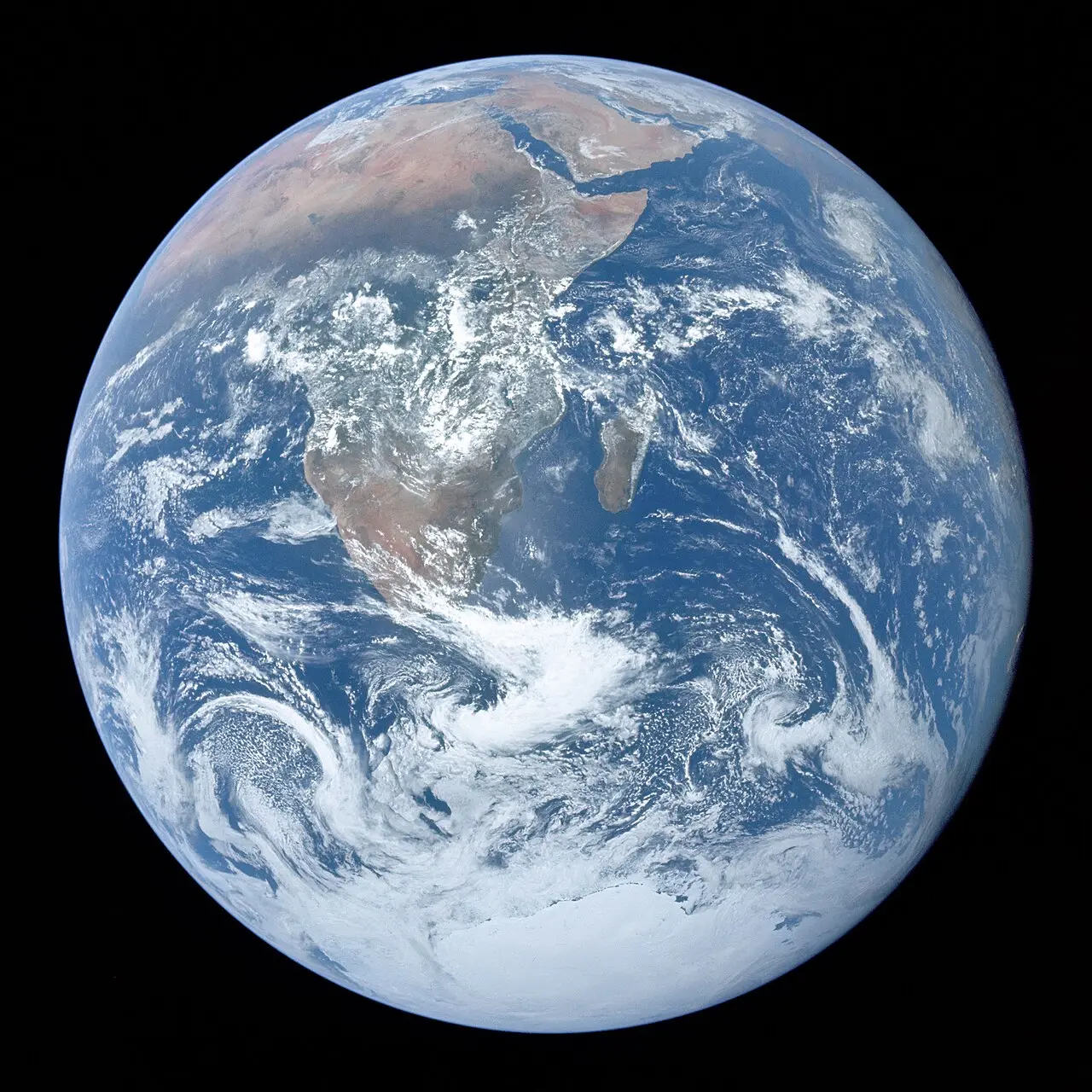
Almost 200 countries have agreed a deal to tackle climate change, in what has been hailed as a historic turning point.
The Paris Agreement was adopted on 12 December at the United Nations climate conference, known as COP21, after two weeks of negotiations.
The main points
Countries agreed to limit the rise in global average temperatures to well below 2 degrees Celsius above pre-industrial levels, and to pursue efforts to limit it to 1.5 degrees.
They also agreed that greenhouse gas emissions should peak as soon as possible, and that the world should reach a balance between emissions and their removal in the second half of the century.
Each country has set out its own plan to cut emissions. These plans will be reviewed every five years, with countries expected to increase their ambition over time.
Richer countries have agreed to continue providing money to help poorer countries cut emissions and cope with the effects of climate change.
Celebrations
When the French foreign minister, Laurent Fabius, who chaired the conference, brought down his gavel to adopt the agreement, delegates stood and cheered.
The United Nations Secretary-General, Ban Ki-moon, described it as a monumental triumph for people and planet.
Why it matters
Scientists say rising temperatures, caused mainly by burning fossil fuels, are leading to more extreme weather, rising sea levels and threats to food and water supplies.
Previous attempts to agree a global deal have failed, most notably at Copenhagen in 2009. Unlike the Kyoto Protocol, the Paris Agreement includes developing countries such as China and India, as well as the United States.
Not enough?
Some campaigners and scientists say the national pledges made so far are not enough to meet the targets, and that the world is still on course for warming of around 3 degrees.
Britain
The Energy and Climate Change Secretary, Amber Rudd, said the agreement was a historic deal. Britain has already committed in law to cut emissions by 80 per cent by 2050.
The agreement will come into force once at least 55 countries, responsible for at least 55 per cent of global emissions, have ratified it.
The conference was held just weeks after terror attacks in Paris killed 130 people.
More in World
All
Latest news
Featured posts
-
Things to do
Top 10 places to visit in Birmingham
-
Food and drink
The 12 most popular food spots in Birmingham
-
Things to do
The best laser tag locations in Birmingham