
Council puts NEC Group up for sale to help meet equal pay bill
The council faces equal pay claims of more than £1 billion.
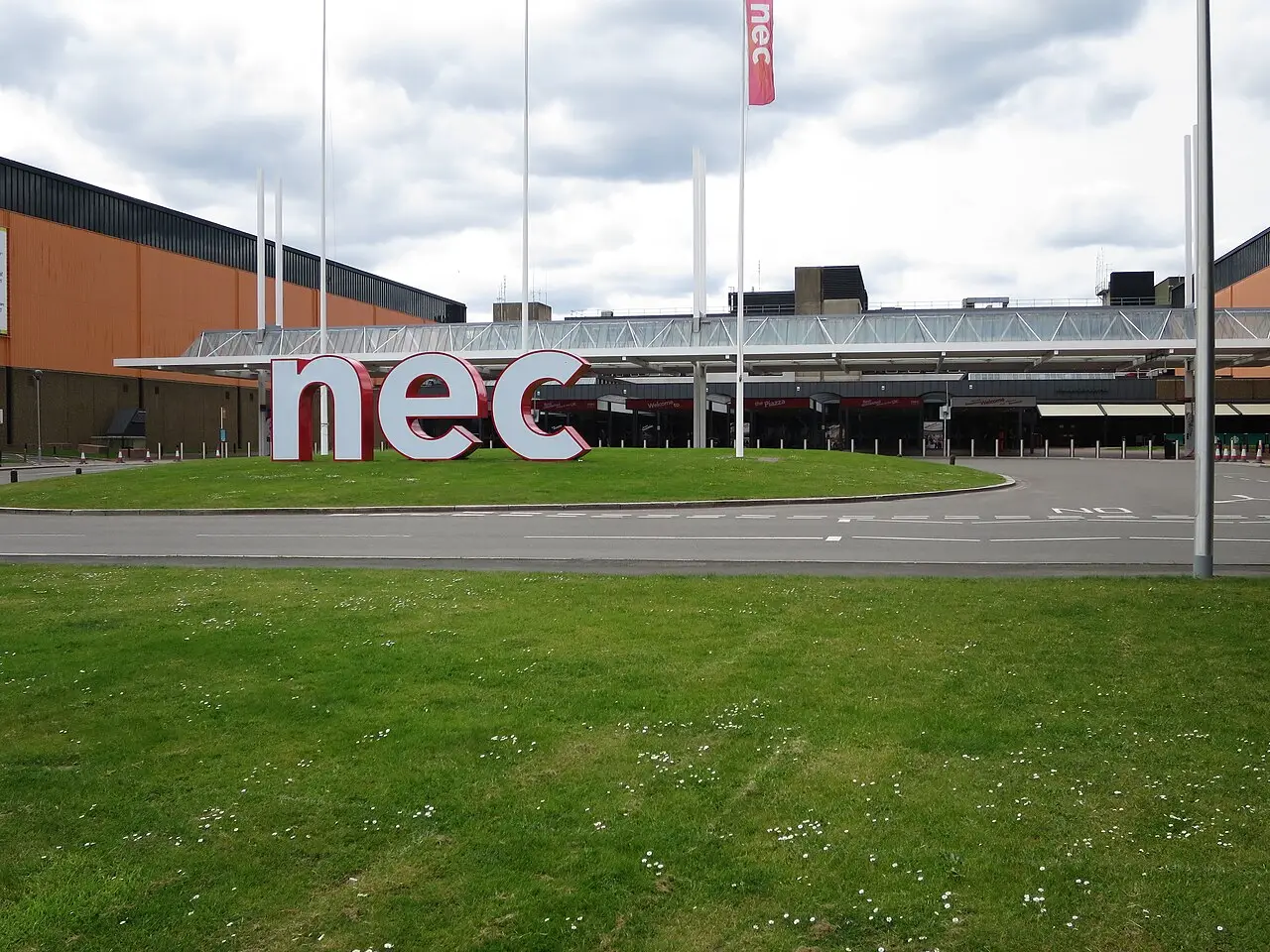
Birmingham City Council is to sell the NEC Group, which runs some of the country's best-known exhibition and entertainment venues, as it faces equal pay claims totalling more than £1 billion.
The decision, announced on 5 March, will see the council look for a buyer for the business, which it has owned since the National Exhibition Centre opened in 1976.
What is being sold
The NEC Group runs the National Exhibition Centre near Birmingham Airport and the LG Arena on the same site, along with the International Convention Centre and the National Indoor Arena in the city centre. Together they host hundreds of exhibitions, conferences, concerts and sporting events every year, attracting millions of visitors.
The group also includes a national ticketing business.
Why sell now?
The council is facing a huge bill for equal pay claims brought by thousands of mostly female former and current staff, who were paid less than men doing jobs of equal value, such as refuse collectors, who received bonuses that the women did not.
In 2012, the Supreme Court ruled that claims could be brought in the civil courts, which allow a longer period to make a claim than employment tribunals. That opened the door to thousands more claims. The council has already paid out a large sum and warned earlier this year that it might have to sell some of its assets to meet the remaining bill.
At the same time, the council is facing deep cuts in its funding from government, and says it has to make hundreds of millions of pounds of savings over the next few years.
A city asset
The NEC was a bold project when it was built in the 1970s, on land near the airport and the M42 motorway, and it has been credited with bringing billions of pounds of spending into the regional economy over the decades. The ICC and Symphony Hall, which opened in 1991, helped transform the city centre and spark the regeneration of Broad Street and Brindleyplace.
Some councillors and businesses are worried that selling the group could mean the city loses control over venues that play a key role in its economy. The council says it will look for a buyer who will continue to invest in the business and keep it based in Birmingham.
Keeping the land
The council is expected to keep ownership of the land at the NEC site, so that it continues to benefit from any future development there.
What happens next
The sale is expected to attract interest from investors in the UK and abroad, including private equity firms. The council will set out its process for finding a buyer in the coming months.
The money raised will not be enough on its own to settle the equal pay bill, and the council is likely to have to find other savings and sell other assets too.
More in Business
All

Latest news
Featured posts
-
Things to do
Top 10 places to visit in Birmingham
-
Food and drink
The 12 most popular food spots in Birmingham
-
Things to do
The best laser tag locations in Birmingham