
HS2 Bill published, starting the parliamentary race to build the line
Construction could begin in 2016 or 2017, with trains running from Curzon Street in 2026.
The government has published the Bill that will give it the power to build the first phase of HS2, the new high-speed railway between London and Birmingham.
The hybrid Bill, published on 25 November, is in effect the planning application for the scheme. It gives the government the powers to build and run the railway, and gives those affected the chance to petition Parliament for or against the plans.
The first new line north of London for 120 years
The government says the line, which would be the first to be built north of London for 120 years, is needed to meet the urgent need for more capacity on the main rail routes into London. Parts of the West Coast Main Line are full, with many trains overcrowded.
Once Royal Assent has been achieved, construction of the line from London to Birmingham is expected to begin in 2016 or 2017, with the line opening in 2026.
"From aspiration to delivery"
The Transport Secretary, Patrick McLoughlin, said: "HS2 is the most ambitious and important infrastructure project in the UK since we built the M25 30 years ago, and in 30 more it will be just as integral a part of the nation's prosperity."
"The Bill will give us the powers we need to get the railway built and start delivering the extra room on our railways that this country so desperately needs. It will also start the process of rebalancing the economy and bringing our great cities closer together."
What it means for Birmingham
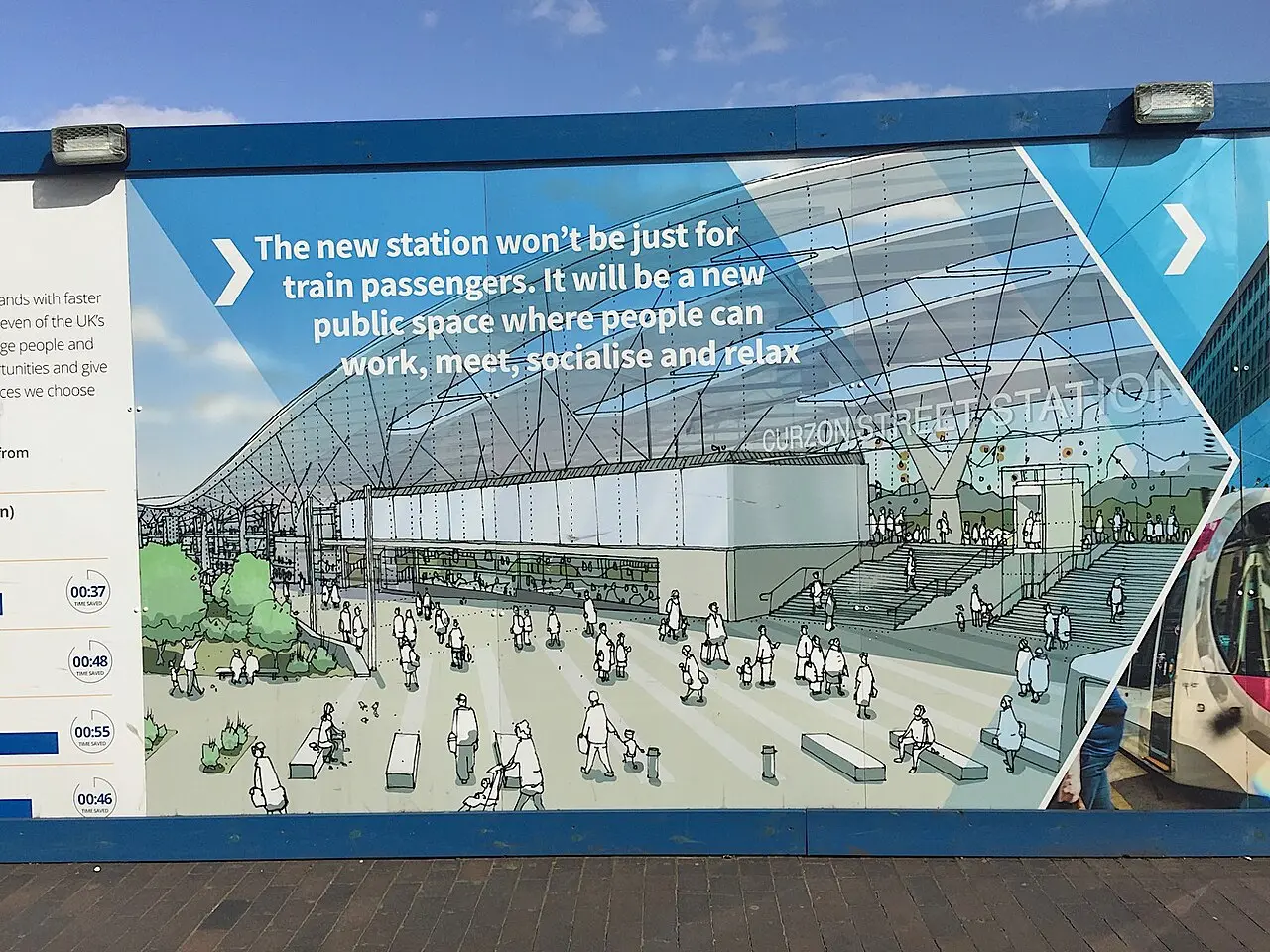
The line will end in Birmingham city centre at a new station at Curzon Street, in Eastside, close to the site of the city's first railway terminus. A second station, Birmingham Interchange, is planned near the NEC and Birmingham Airport.
HS2 is expected to cut the journey time between Birmingham and London to 49 minutes. The government announced in January the preferred route for the second phase, which would continue north from Birmingham to Manchester and Leeds, cutting journey times between Birmingham and Manchester to 41 minutes.
A study for the government by KPMG has estimated that, when fully operational, HS2 will generate around £15 billion of economic benefits a year, with the Midlands and the north expected to gain the most.
Environmental statement
The government has also published the environmental statement for the first phase, setting out the likely significant effects of the scheme on the environment and the measures that will be taken to reduce them.
Opposition
The project remains controversial. Campaign groups and many people living along the route in the countryside between London and Birmingham oppose it, questioning its cost, which has risen in recent months, and its impact on homes, farms and woodland. In Birmingham, business leaders have strongly supported the scheme, arguing that it will bring jobs and investment to the city.
The Bill will now begin its passage through Parliament, which is expected to take several years.
More in Transport
All


Latest news
Featured posts
-
Things to do
Top 10 places to visit in Birmingham
-
Food and drink
The 12 most popular food spots in Birmingham
-
Things to do
The best laser tag locations in Birmingham