
Barclays fined £290m over Libor rigging
Traders asked colleagues to change rate submissions to help their positions.
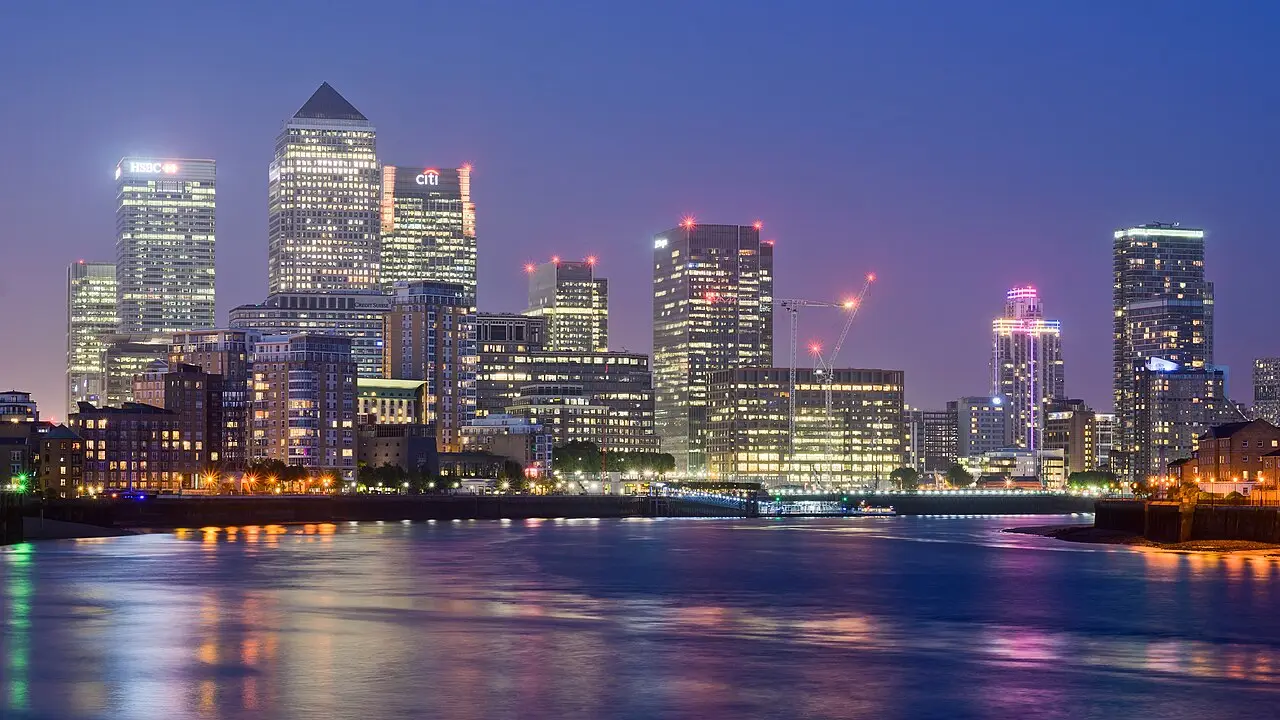
Barclays has been fined £290 million by British and American regulators for attempting to manipulate key interest rates used to set the price of trillions of pounds of loans.
The penalty was announced on 27 June. It is the largest ever imposed by the Financial Services Authority.
What is Libor?
Libor, the London Interbank Offered Rate, is a benchmark interest rate that shows how much banks charge each other to borrow money. It is used to set the rates on mortgages, loans and financial contracts around the world, worth hundreds of trillions of dollars.
Each day, a panel of banks submits the rates at which they believe they could borrow, and an average is calculated.
What Barclays did
Regulators found that Barclays traders had asked the staff who submitted the bank's rates to change them, to benefit their trading positions. Messages between traders showed them offering favours in return.
During the financial crisis in 2007 and 2008, the bank also submitted artificially low rates to make it look financially stronger than it was.
The Financial Services Authority fined Barclays £59.5 million, and American regulators imposed further penalties.
Bosses under pressure
Barclays' chief executive, Bob Diamond, has come under intense pressure, with some politicians calling on him to resign.
Diamond and several other senior executives have agreed to give up their bonuses for this year.
MPs are expected to question Diamond about the scandal.
Other banks
Barclays is the first bank to be penalised, but regulators in Britain, the United States and elsewhere are investigating a number of other banks for similar behaviour.
Political reaction
The Prime Minister, David Cameron, said the scandal showed the need for reform of the banking industry, and there are calls for a review of how Libor is set.
The Labour leader, Ed Miliband, has called for a full public inquiry into the banking industry.
Trust in the banks
The scandal has further damaged public trust in banks, which has been low since the financial crisis. Many people are angry that bank staff appear to have broken the rules to make money, while taxpayers had to rescue some banks from collapse.
The case is likely to lead to changes in how financial markets are regulated.
More in Economy
All
Latest news
Featured posts
-
Things to do
Top 10 places to visit in Birmingham
-
Food and drink
The 12 most popular food spots in Birmingham
-
Things to do
The best laser tag locations in Birmingham