
Final leaders' debate held at the University of Birmingham
Brown, Cameron and Clegg clashed over the economy a week before polling day.
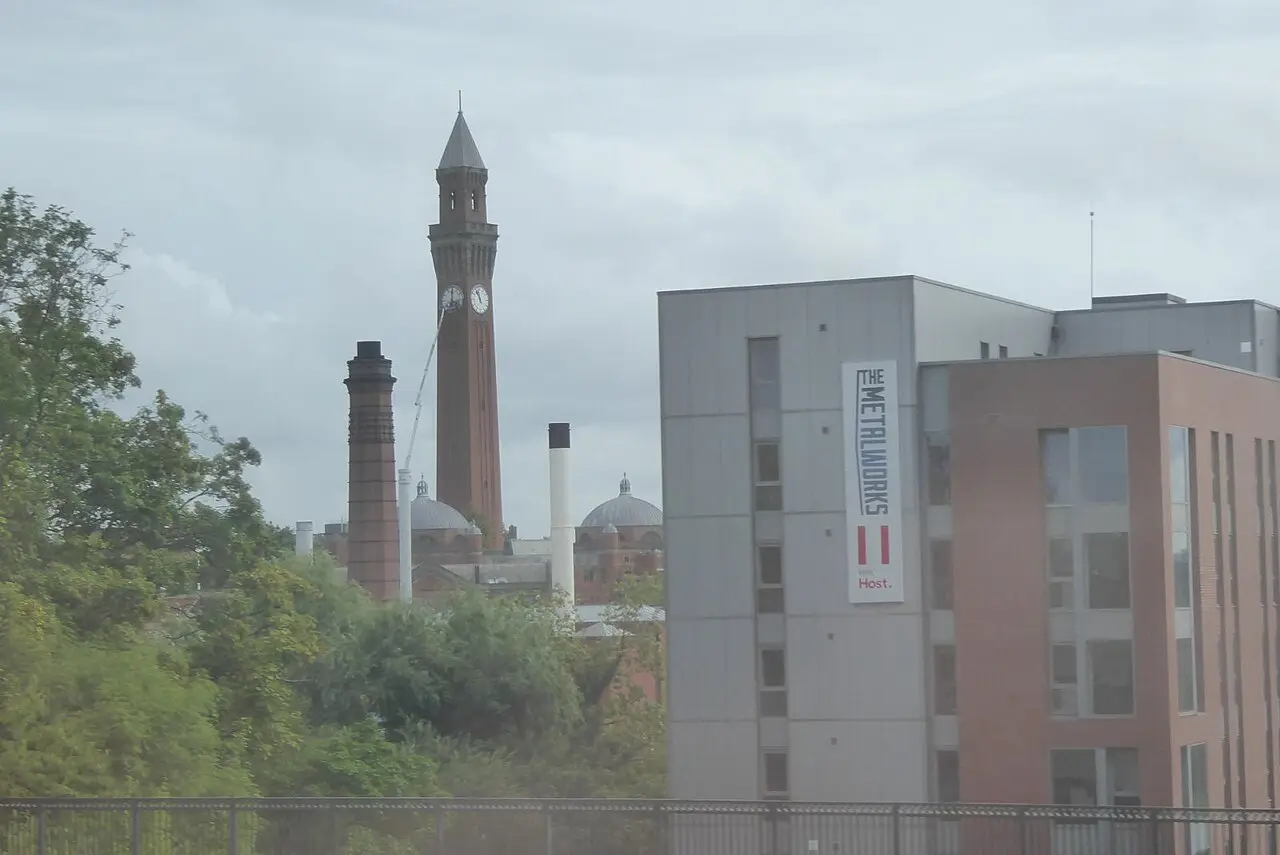
The University of Birmingham has hosted the third and final televised debate between the leaders of the three main parties, in the closing week of the general election campaign.
Gordon Brown, David Cameron and Nick Clegg faced each other and a studio audience on 29 April, in a 90-minute debate broadcast by the BBC and chaired by David Dimbleby.
Focus on the economy
The first half of the debate focused on the economy, the most important issue in the campaign as the country emerges from recession with a record budget deficit. The leaders clashed over spending cuts, taxes, jobs and the banks, before moving on to other issues raised by the audience, including immigration.
The questions were not disclosed to the leaders in advance.
A first for British politics
The debates are the first of their kind in a British general election. The first, on domestic affairs, was held in Manchester and broadcast by ITV, and the second, on international affairs, was held in Bristol and shown by Sky.
Leaders have resisted televised debates in the past. James Callaghan agreed to one in 1979, but Margaret Thatcher declined, arguing that the election was for a government, not a president. In 2001, Tony Blair turned down a debate with William Hague.
The Clegg effect
The debates have shaken up the campaign. The Liberal Democrat leader, Nick Clegg, was widely judged to have performed strongly in the first debate, and his party's poll ratings rose sharply as a result. The final debate was seen as the last big chance for all three leaders to win over undecided voters.
A difficult week for Brown
The Prime Minister came into the debate after a difficult day on the campaign trail, and was under pressure to show he could still win the argument on the economy. Mr Cameron, whose Conservatives lead in the polls, sought to present himself as ready for government.
The university's big night
Security was tight across the university's Edgbaston campus for the debate, which brought hundreds of journalists and campaign staff to the city.
The University of Birmingham, founded in 1900, is one of the country's leading universities. Among its former students are the former Prime Ministers Neville Chamberlain and Stanley Baldwin, and it has links to eleven Nobel prize winners.
Polling day
Voters go to the polls next Thursday, 6 May, with the outcome looking closer than at any election for many years, and the possibility of a hung parliament. In Birmingham, local council elections are being held on the same day, so voters will have two ballot papers.
More in Council and Politics
All

Latest news
Featured posts
-
Things to do
Top 10 places to visit in Birmingham
-
Food and drink
The 12 most popular food spots in Birmingham
-
Things to do
The best laser tag locations in Birmingham