
Jewellery Quarter should bid for World Heritage status, report says
The quarter still makes 40 per cent of the UK's jewellery and has the world's largest Assay Office.
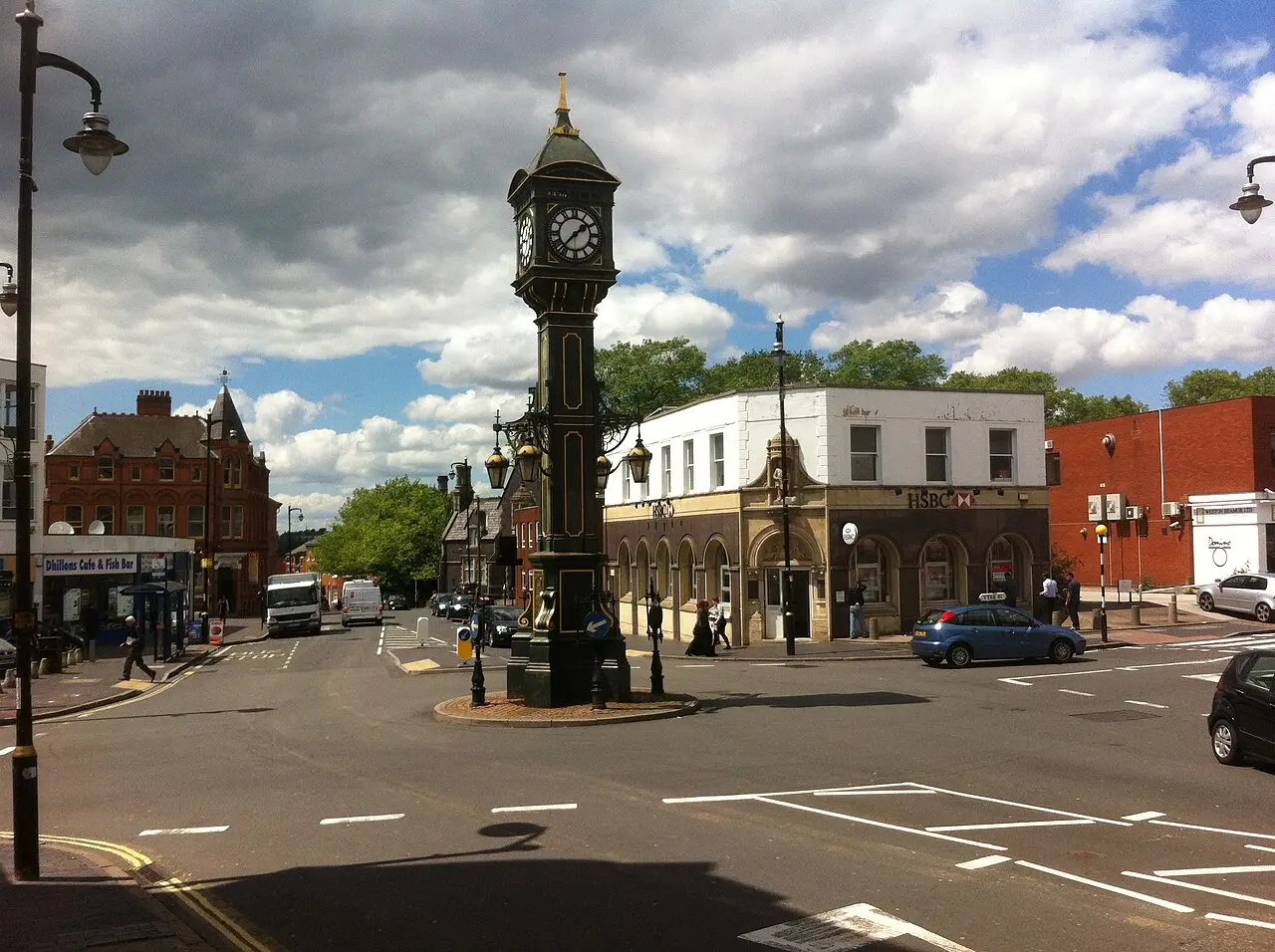
Birmingham's Jewellery Quarter should bid to become a World Heritage Site, a report to the city council has recommended.
The report, published in January, says the area's unique history as a centre of jewellery making and metalworking could earn it a place alongside some of the most important historic places in the world.
A living industrial quarter
The Jewellery Quarter is Europe's largest concentration of businesses in the jewellery trade, and produces around 40 per cent of all the jewellery made in the UK. It is also home to the Birmingham Assay Office, the largest in the world, which hallmarks around 12 million items a year.
Unlike many industrial areas, the quarter is still doing the job it was built for. Hundreds of small workshops continue to make and sell jewellery, often in the same buildings where craftsmen worked in Victorian times.
A rich history
The area grew up in the 18th century, when wealthy families' homes and gardens gave way to workshops and factories. The opening of the Assay Office in 1773, petitioned for by Matthew Boulton and other industrialists, and the completion of the Birmingham and Fazeley Canal in 1789 helped the industry grow.
By 1861, 7,500 people were employed in the jewellery trade, and by 1880 nearly 700 workshops were listed in a local directory. The quarter made a large share of the fine jewellery of the British Empire.
Birthplace of inventions
The Jewellery Quarter has also been the birthplace of important inventions. Electroplating was developed and refined at George Elkington's works on Newhall Street, and the first man-made plastic, Parkesine, was invented there by Alexander Parkes in 1862.
What World Heritage status would mean
World Heritage Sites are chosen by UNESCO, the United Nations cultural organisation, for their outstanding value to humanity. Britain already has more than two dozen, including Ironbridge Gorge in Shropshire and the Derwent Valley Mills in Derbyshire, both linked to the industrial revolution.
Supporters say the status would bring international recognition, attract more visitors and help protect the area's historic buildings. It could also boost the local economy, bringing more trade to the jewellers and to the shops, bars and restaurants that have opened in the area in recent years.
A long process
A bid would take several years. The site would first need to be placed on the UK government's tentative list of potential sites, before a full nomination could be prepared and considered by UNESCO.
A changing neighbourhood
The Jewellery Quarter has changed a great deal in recent years, with many old factories and warehouses converted into flats and offices. The council has designated large parts of it as a conservation area to protect its character.
Many in the jewellery trade hope a World Heritage bid would help make sure the area remains a working quarter, and not just a place to live and visit. The council will now consider the report's recommendations.
More in Arts and Culture
All


Latest news
Featured posts
-
Things to do
Top 10 places to visit in Birmingham
-
Food and drink
The 12 most popular food spots in Birmingham
-
Things to do
The best laser tag locations in Birmingham