
Government unveils £500bn bank rescue
Ministers will buy stakes in banks and guarantee lending between them.
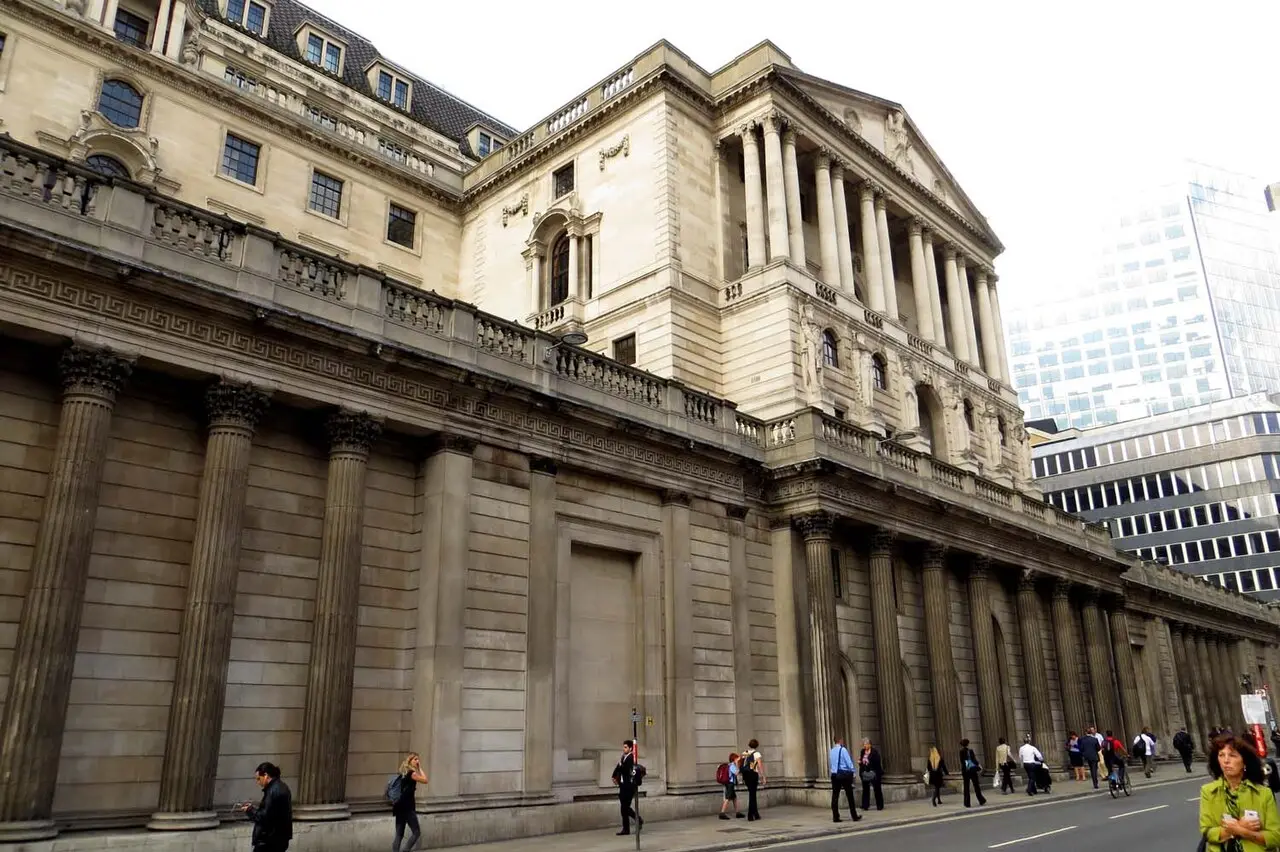
The government has announced a rescue package for Britain's banks worth up to £500 billion, including taking part-ownership of some of the country's biggest lenders.
The Chancellor, Alistair Darling, set out the plan on 8 October, after days of turmoil in financial markets in which bank shares plunged.
The package
The government will make £50 billion available to buy shares in banks, to strengthen their finances. It will guarantee £250 billion of lending between banks, to get money flowing again, and the Bank of England will make at least £200 billion available in short-term loans.
The Prime Minister, Gordon Brown, said the measures were bold and far-reaching, and were designed to protect savers and businesses.
Why it was needed
The global financial crisis deepened sharply last month, when the American investment bank Lehman Brothers collapsed. Banks around the world have become unwilling to lend to one another, fearing they will not get their money back.
In Britain, the government has already stepped in to rescue several lenders. Northern Rock was nationalised in February, Bradford and Bingley was nationalised last month, and Lloyds TSB agreed to take over HBOS.
Shares in Royal Bank of Scotland and HBOS fell sharply in recent days, amid fears about their finances.
Interest rates cut
On the same day, the Bank of England cut interest rates by half a percentage point to 4.5 per cent, in a coordinated move with other central banks including the US Federal Reserve and the European Central Bank.
Conditions
Banks that accept government money will face conditions, including restrictions on bonuses for top executives and on dividends paid to shareholders. They will also be expected to keep lending to homeowners and small businesses.
Around the world
Other countries are preparing similar measures. The United States Congress passed a $700 billion rescue plan last week, and European governments are working on their own plans.
The British plan has been praised by some economists as a model for others.
What it means
For savers, the government has promised that deposits are safe. The limit on protected deposits has been raised to £50,000.
But the crisis is expected to push Britain into recession, with job losses and falling house prices. Businesses in Birmingham and across the country are already reporting that credit is harder to obtain.
More in Economy
All
Latest news
Featured posts
-
Things to do
Top 10 places to visit in Birmingham
-
Food and drink
The 12 most popular food spots in Birmingham
-
Things to do
The best laser tag locations in Birmingham