
MG Rover collapses with 6,000 Longbridge jobs at risk
The last British-owned mass car maker went into administration with debts of more than £1.4 billion.
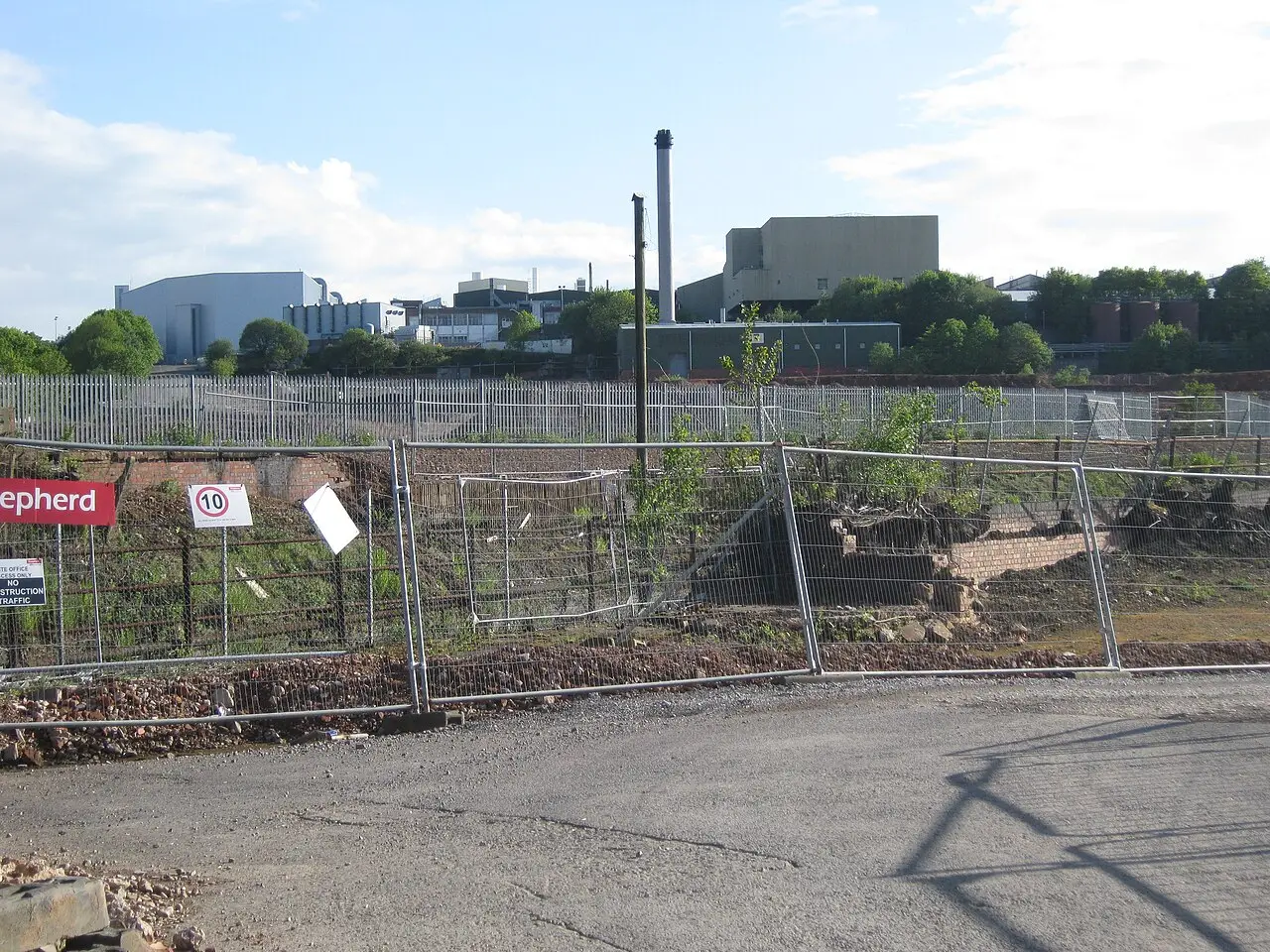
MG Rover has gone into administration, leaving more than 6,000 workers at Longbridge facing the loss of their jobs and bringing mass car production in Birmingham to a halt.
The company placed itself in administration on 8 April, with debts of more than £1.4 billion, after a proposed alliance with the Chinese car maker SAIC collapsed.
How it happened
On 7 April, the company announced it was suspending production because of a shortage of components, as suppliers stopped deliveries.
MG Rover had been hoping for a partnership with Shanghai Automotive Industry Corporation to develop new models. But the deal ran into trouble after the Government decided to withdraw its offer of a £120 million loan to keep it alive.
On 10 April, MG Rover announced it had received a £6.5 million loan from the Government, but on 15 April SAIC again rejected pleas to buy the company.
Five years of losses
MG Rover was formed in 2000, when BMW sold the Rover Group's volume car business to the Phoenix Consortium for a nominal £10. The new company reported losses of around £400 million in its first eight months.
Its best year was 2001, when it sold more than 170,000 cars, but by 2004 sales had fallen to around 120,000. The company cut its losses to around £80 million, but never made a profit.
The end of an era
MG Rover was the last British-owned mass-production car maker. Its collapse ends almost a century of mass car production at Longbridge, which Herbert Austin founded in 1905 and which at its peak in the late 1960s employed around 25,000 people.
The impact will be felt far beyond the factory gates, across the many companies in the region that supply parts and services to the plant.
What next
The administrators are now looking for buyers for the business or its assets. It is not yet clear whether car production can be restarted at Longbridge.
For the thousands of workers and their families, the priority now is support to find new jobs, as south Birmingham faces the biggest industrial closure it has seen in a generation.
The talks with SAIC had been complicated for months. SAIC had said it had already bought the intellectual property rights for some Rover models, including the Rover 25 and Rover 75, for £67 million in the autumn of 2004. In December 2004, the Indian company Tata, which had supplied the CityRover, threatened to end its agreement with MG Rover if the SAIC tie-up went ahead.
MG Rover's range included the Rover 25, 45 and 75 saloons and hatchbacks and MG sports cars, all built at Longbridge.
More in Business
All

Latest news
Featured posts
-
Things to do
Top 10 places to visit in Birmingham
-
Food and drink
The 12 most popular food spots in Birmingham
-
Things to do
The best laser tag locations in Birmingham