
Labour loses more seats in all-out council election
Labour wins 53 of 120 seats, leaving the Conservatives and Lib Dems in a position to take over.
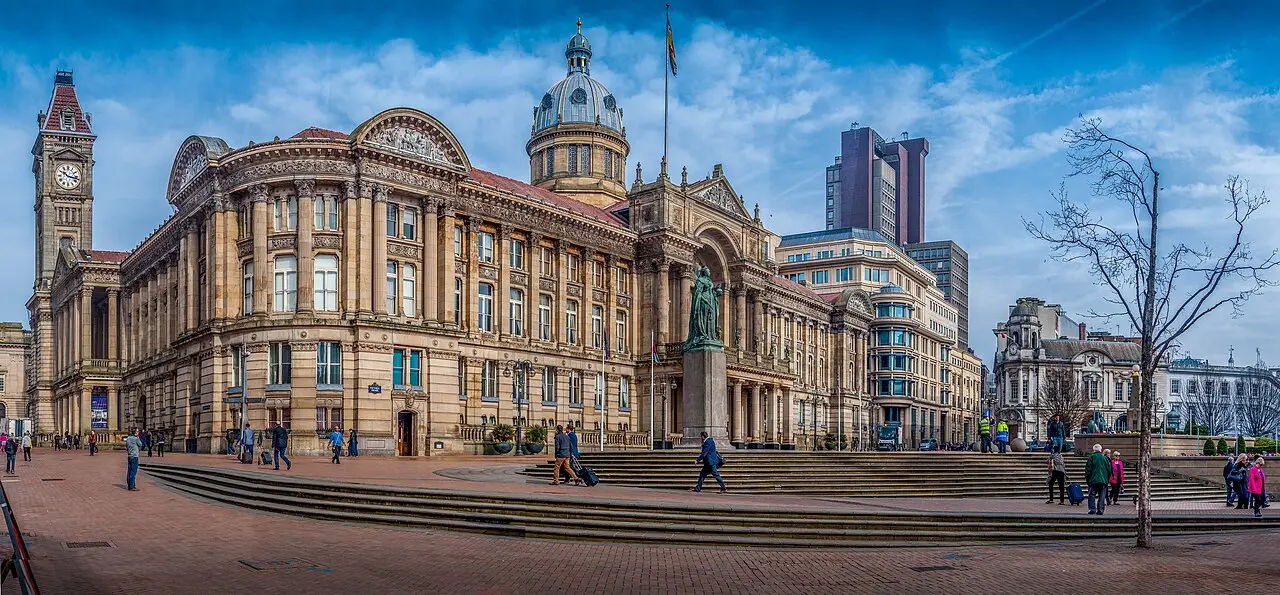
Labour has lost more ground in Birmingham's city council elections, leaving the Conservatives and Liberal Democrats with enough seats between them to take control of the Council House.
Every seat on the council was up for election on 10 June, after new ward boundaries were introduced across the city. The number of councillors has increased from 117 to 120.
The result
Labour won 53 seats, the Conservatives 39 and the Liberal Democrats 28. Labour remains the largest party but is well short of the 61 seats needed for an overall majority.
Labour lost its majority on the council at last year's elections, and has been running the city as a minority administration under its leader, Sir Albert Bore. This result makes it more likely that the Conservatives and Liberal Democrats will join forces to form a new administration.
The two parties are expected to hold talks in the coming days. If they reach an agreement, it would end two decades of Labour rule at the Council House.
A busy polling day
The council elections were held on the same day as the European Parliament elections, and turnout was higher than at recent local elections. A large number of people voted by post, which has been available on demand since 2001.
There have been complaints about the handling of postal votes in parts of the inner city, and concerns about irregularities in some wards are likely to be looked into.
The issues
National issues, especially the war in Iraq, appear to have played a big part in Labour's losses, particularly in inner-city wards with large Muslim populations. The Liberal Democrats, who opposed the war, made gains in several of these areas.
Local issues were also important. Council tax, the state of the roads, street cleaning and the future of the city's council housing were all raised on the doorstep. Tenants voted against transferring the city's council homes to a housing association in 2002, and the future of the housing stock remains a live issue.
Sir Albert Bore
Sir Albert has led the council since 1999 and has overseen many of the changes in the city centre, including the new Bullring and the plans for Eastside. He was knighted in 2002 for services to local government.
Supporters say he has helped transform the city's image and attract investment. Critics say the council has neglected the outer estates and suburbs while focusing on the city centre.
What happens next
A new leader will be chosen at the council's annual meeting. If the Conservatives and Liberal Democrats agree a deal, the Conservative group leader, Councillor Mike Whitby, is expected to become leader of the council.
Whoever takes charge will face a series of big challenges, from balancing the budget to improving services and managing the city's major regeneration projects.
For voters, the result means a period of change at the Council House, and the prospect of a very different approach to running the city.
More in Council and Politics
All

Latest news
Featured posts
-
Things to do
Top 10 places to visit in Birmingham
-
Food and drink
The 12 most popular food spots in Birmingham
-
Things to do
The best laser tag locations in Birmingham