
Design unveiled for the new super-hospital
One new hospital in Edgbaston will replace the Queen Elizabeth and Selly Oak.
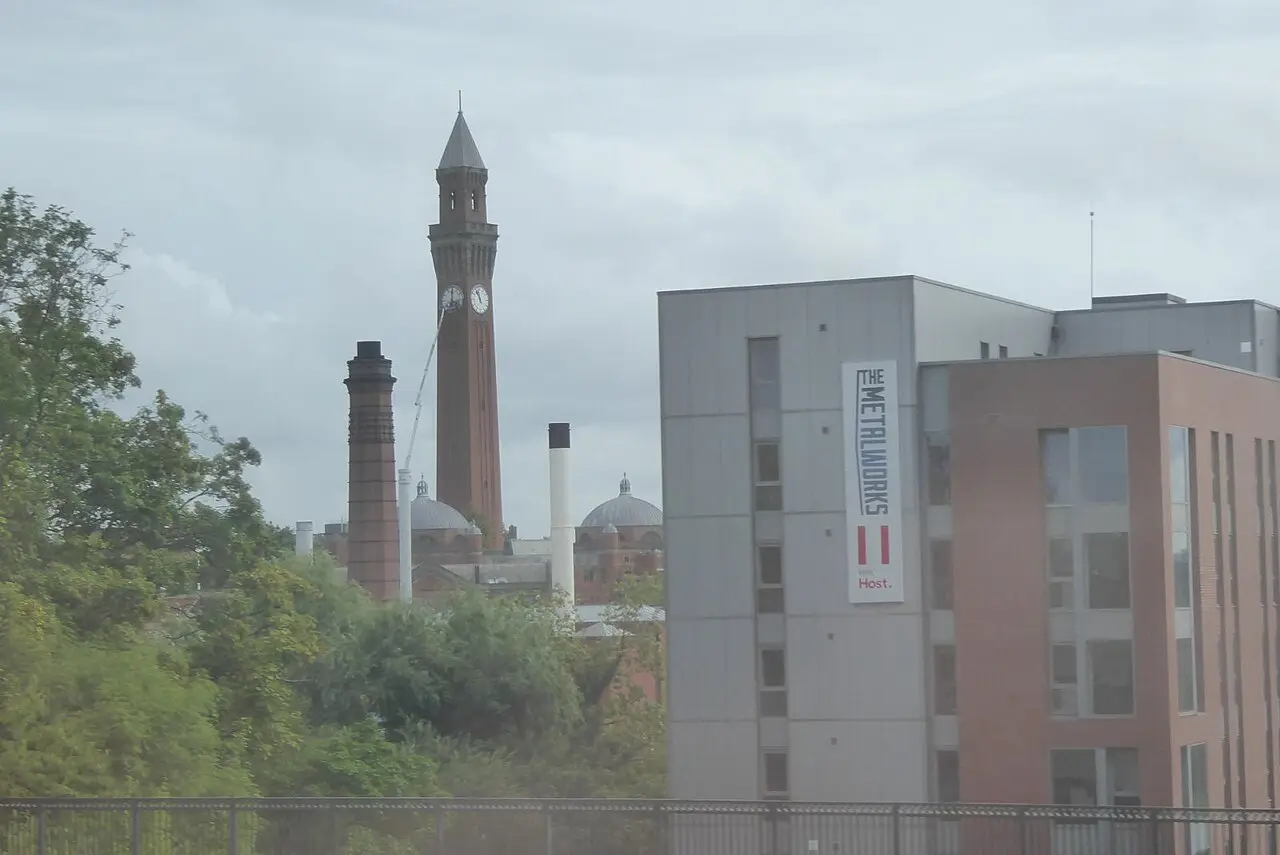
The outline design for a new hospital in south Birmingham, set to be one of the biggest in the country, has been unveiled.
The new hospital, which will replace the Queen Elizabeth Hospital and Selly Oak Hospital, will be built on land next to the existing Queen Elizabeth site in Edgbaston. The design was made public in January.
Bringing two hospitals together
Plans for a single new hospital were first put forward in 1998. Both of the existing hospitals are showing their age, and many of their buildings are no longer suited to modern medicine.
The Queen Elizabeth Hospital opened in 1938 and was one of the first hospitals in the country to bring medical teaching, research and treatment together on one site, next to the University of Birmingham's medical school. Selly Oak Hospital grew out of a Victorian workhouse infirmary, and parts of it date back more than a century.
Bringing the two together will allow doctors and nurses to work under one roof, and will end the need to move patients between sites for treatment. It will also allow the trust that runs the hospitals to provide modern wards with more single rooms and better facilities.
A regional centre
The Queen Elizabeth is already a major centre for specialist care, including cancer treatment, organ transplants, burns and plastic surgery, and care for patients with serious injuries. It treats patients from across the Midlands and beyond.
Selly Oak Hospital is home to the Royal Centre for Defence Medicine, which cares for members of the armed forces, including soldiers injured on operations overseas. The military unit is expected to move to the new hospital.
Part of a wider plan
The hospital is part of a wider plan to regenerate the Selly Oak and Bournbrook area, which also includes a new bypass and new shops and homes on the old Selly Oak Hospital site and other land nearby. The whole scheme is expected to be worth around £1 billion.
The project will be one of the largest hospital schemes in the NHS, and is expected to be paid for through the Private Finance Initiative, under which a private company builds and maintains the hospital and the NHS pays for it over many years.
Supporters say the private finance route is the only way to get such a large hospital built. Critics argue that it will cost the taxpayer more in the long run than paying for the building directly.
What happens next
The design will now go through the planning process, and Birmingham City Council will have the final say on whether the scheme can go ahead. The public will have the chance to comment on the plans.
If approved, building work could start within a few years, with the new hospital opening towards the end of the decade. Staff and patients will continue to use the existing hospitals until then.
Supporters hope the new hospital will give Birmingham some of the best hospital facilities in Europe, and help attract top doctors and researchers to the city.
For patients and their families, the hope is that it will mean shorter waits, better care and a more pleasant place to be treated.
More in Health
All


Latest news
Featured posts
-
Things to do
Top 10 places to visit in Birmingham
-
Food and drink
The 12 most popular food spots in Birmingham
-
Things to do
The best laser tag locations in Birmingham