
Council hands power to 11 district committees
Parks, libraries and street cleaning are among the services now decided locally.
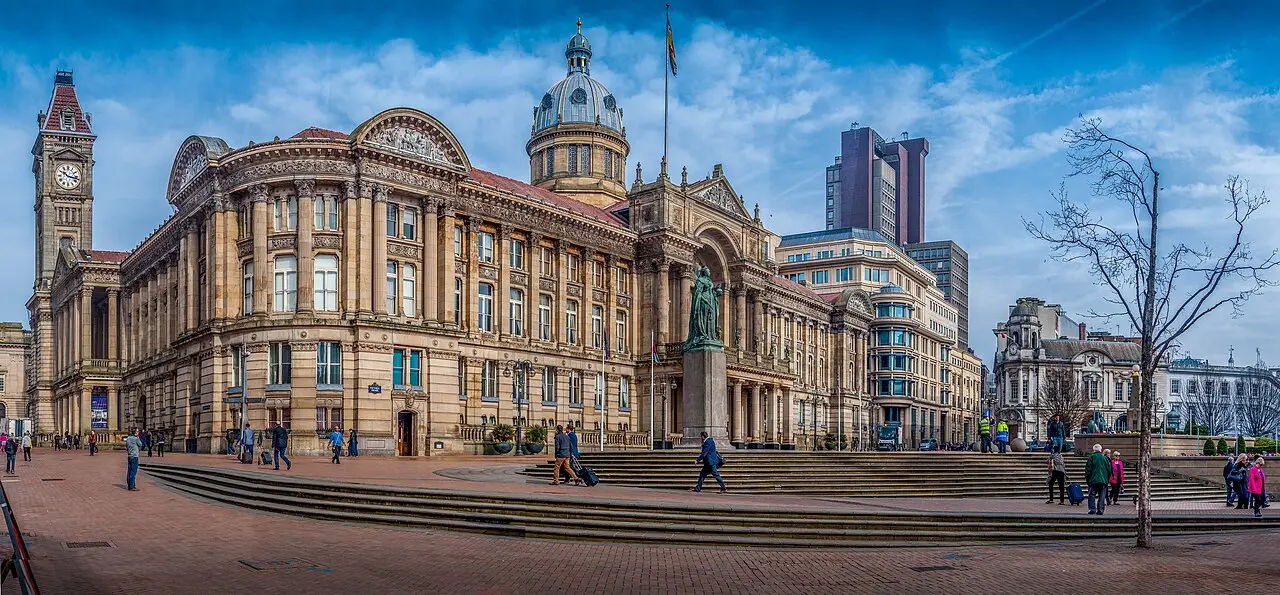
Birmingham City Council has handed responsibility and budgets for a number of local services to 11 new district committees, in one of the biggest changes to the way the city is run for decades.
The change took effect on 5 April. Each committee is made up of the councillors for the wards in its area, and will make decisions about services such as parks, libraries, leisure centres, street cleaning and some housing services.
Bringing decisions closer to people
Birmingham is the largest local authority in Europe, with a population of around a million people, and critics have long argued that it is too big and too remote for residents to feel they have a say in how it is run.
The council hopes the new committees will bring decisions closer to the people affected by them. Each district covers around 90,000 people, making them similar in size to many smaller towns and cities.
Supporters say local councillors know their areas best, and are better placed to decide how money should be spent on local services. They hope the committees will be able to respond more quickly to problems and involve residents more closely in decisions.
How it will work
The districts are based on the city's parliamentary constituencies. Each will have its own budget for the services it controls, and its own officers to manage them.
The committees will meet in public, and residents will be able to attend and raise issues. Ward committees and neighbourhood forums will continue to play a role in bringing local concerns to the attention of councillors.
Some services, such as education and social care, will continue to be run centrally, because they need to be planned across the whole city and are subject to national rules.
A long debate
The idea of devolving power within Birmingham has been debated for many years. Some have called for the city to be broken up into smaller councils, while others have argued for a directly elected mayor to give the city stronger leadership.
The council's leadership believes that devolution to districts offers the best of both worlds, allowing the city to keep its strength and influence as a single authority while giving local areas more control.
Not everyone is convinced. Sceptics warn that the change could add another layer of bureaucracy without giving residents any real extra power, and that the budgets handed to the districts may be too small to make a difference.
What residents can expect
For most residents, the change will not be noticeable straight away. Services will continue to be provided as before, but decisions about them will increasingly be made locally.
Over time, the council hopes residents will see services that are better suited to their area, whether that means more money for parks in one district or extra street cleaning in another.
The new arrangements will be reviewed after the first year to see how well they are working.
With council elections due in June, the new committees are likely to become a talking point on the doorstep, as candidates set out how they would use the new powers.
More in Council and Politics
All

Latest news
Featured posts
-
Things to do
Top 10 places to visit in Birmingham
-
Food and drink
The 12 most popular food spots in Birmingham
-
Things to do
The best laser tag locations in Birmingham