
Interest rates cut to 4 per cent
The seventh cut of the year takes rates to their lowest since 1964.
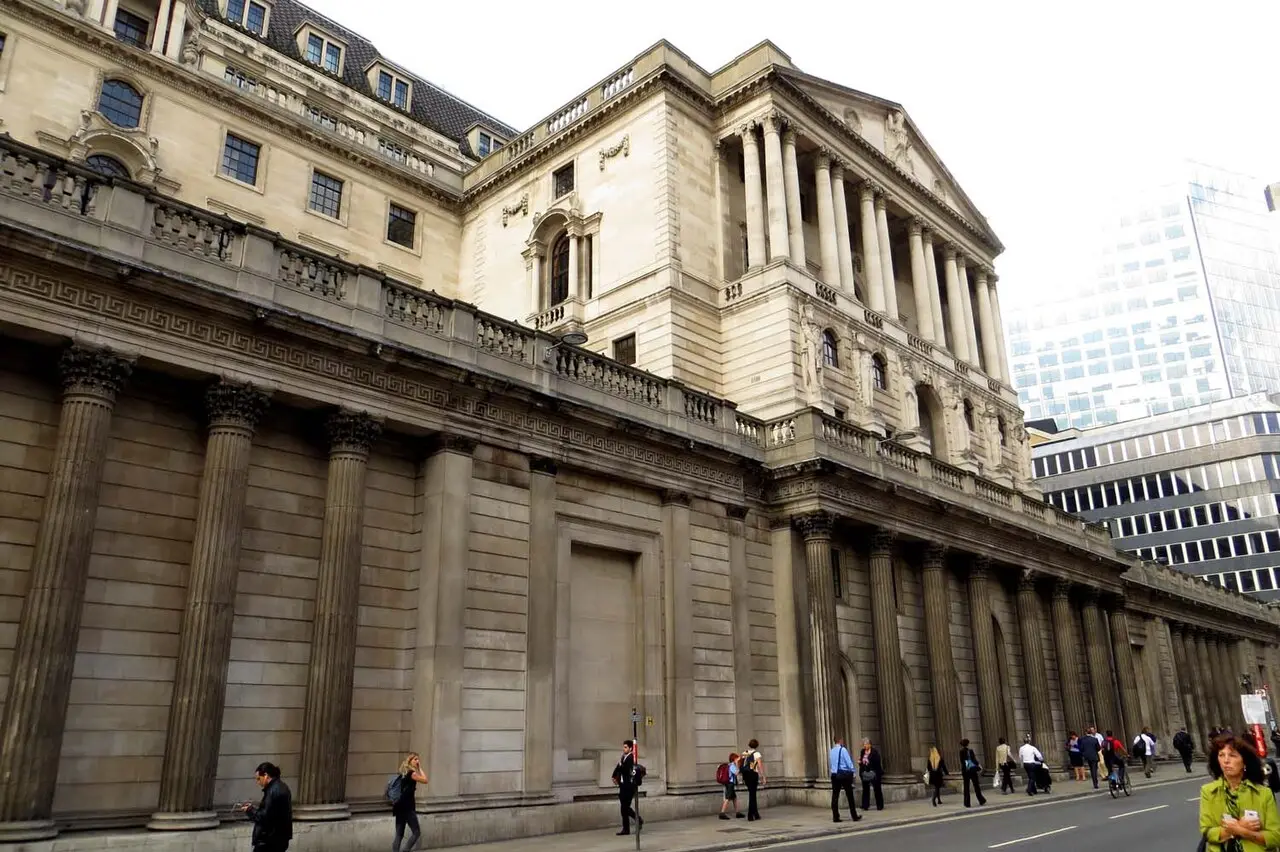
The Bank of England has cut interest rates to 4 per cent, their lowest level since 1964, in an effort to protect the British economy from a global slowdown.
The Monetary Policy Committee announced the half-point cut on 8 November, the seventh reduction this year. Rates stood at 6 per cent at the start of 2001.
Why the cut?
The world economy has been slowing throughout the year, as the technology boom has turned to bust and businesses have cut back on investment. The terrorist attacks on the United States on 11 September have added to the uncertainty.
The American economy is thought to be in recession, and the central bank there, the Federal Reserve, has cut its rates sharply. The European Central Bank has also cut its rates today.
The Bank of England said the outlook for the world economy had weakened and that the risks to growth in Britain had increased.
Good news for borrowers
The cut will be welcomed by homeowners with mortgages, who will see their monthly payments fall if banks and building societies pass on the reduction. Businesses will also benefit from cheaper borrowing.
Savers, however, will earn less interest on their deposits, and many pensioners who rely on savings income will be worse off.
A two-speed economy
Britain's economy has held up better than many others, thanks largely to spending by consumers. The housing market remains strong, and unemployment is low.
But manufacturing is struggling. Factories have been hit by the strength of the pound, which makes British goods more expensive abroad, and by falling demand from overseas. Thousands of manufacturing jobs have been lost this year, including in the Midlands.
Airlines and tourism have also been hit hard since the September attacks.
Independent Bank
The Bank of England has set interest rates independently since 1997, when the Chancellor, Gordon Brown, handed it the power. Its target is to keep inflation at 2.5 per cent.
Inflation is currently below target, which has given the Bank room to cut rates.
More cuts?
Some economists believe rates could fall further if the global slowdown deepens. Others think the Bank may now wait to see the effect of the cuts it has already made.
More in Economy
All
Latest news
Featured posts
-
Things to do
Top 10 places to visit in Birmingham
-
Food and drink
The 12 most popular food spots in Birmingham
-
Things to do
The best laser tag locations in Birmingham