
Birmingham counts itself in the census
For the first time the form asks about religion, the only voluntary question.
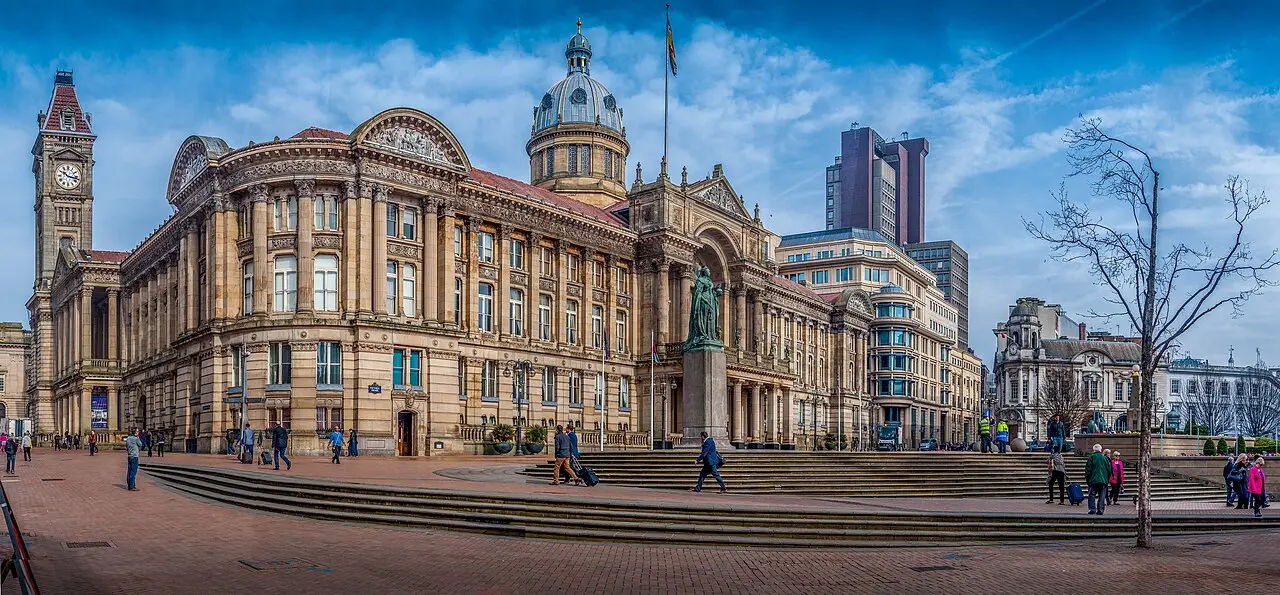
Households across Birmingham are filling in their census forms, as the country takes part in the first national count of the new century.
Census day is 29 April, and every household in England and Wales is required by law to complete a form describing who lives there on that night.
A snapshot of the city
The census is held every ten years, and gives the most detailed picture of the population available anywhere. It asks about age, health, jobs, housing, travel to work and much more.
For Birmingham, the results will show how the city has changed since 1991. The population is believed to be around a million, making Birmingham the largest local authority in Britain, but the census will give the first accurate figure for ten years.
The figures will be used by the city council, the NHS and other public bodies to plan services such as schools, hospitals, housing and transport. They also help decide how much money the government gives to each area.
A question on religion
For the first time, the census in England and Wales includes a question on religion. It is the only voluntary question on the form, and people can choose not to answer it.
The question has been added after campaigns by faith groups, who say it will help public bodies understand the needs of different communities. In a city as diverse as Birmingham, where Christians, Muslims, Sikhs, Hindus and people of many other faiths live side by side, the answers will be of great interest.
The census also asks about ethnic group, with new categories added since 1991 to better reflect the make-up of the population.
Making sure everyone counts
Census officials are working hard to make sure that everyone is counted. In the past, some groups, such as young men, students and people in inner-city areas, have been undercounted, which can mean areas lose out on funding.
Census staff will visit households that have not returned their forms, and help is available for people who need it, including in languages other than English.
The forms are kept confidential for 100 years, after which they are released to the public and become a valuable source for family historians.
Why it matters for Birmingham
City leaders are keen for everyone to take part, because an accurate count could mean more money for local services. They say that if people are missed, the city could lose millions of pounds in government funding over the next decade.
Community organisations across the city have been helping to spread the word, particularly in areas where people may be less familiar with the census or worried about how the information will be used.
The first results are expected next year, with more detailed figures following over the months after that.
More in Community
All

Latest news
Featured posts
-
Things to do
Top 10 places to visit in Birmingham
-
Food and drink
The 12 most popular food spots in Birmingham
-
Things to do
The best laser tag locations in Birmingham