
Fuel protests bring Britain to a standstill
Blockades of refineries leave most petrol stations dry within days.

Protests against the price of fuel have brought much of Britain to a standstill, with thousands of petrol stations running dry and the government warning of a threat to essential services.
The protests began on 8 September, when farmers and lorry drivers blockaded the Stanlow oil refinery in Cheshire. Within days, blockades had spread to refineries and fuel depots across the country.
Panic buying
As tankers stopped leaving the depots, drivers rushed to fill up, and by 12 September most petrol stations had run out of fuel. Some supermarkets began rationing bread and milk, and schools, hospitals and bus services warned that they could be affected.
The NHS was put on an emergency footing, and the government invoked emergency powers to try to ensure fuel reached essential users.
Why the protests?
The price of petrol has risen to around 80p a litre, among the highest in Europe. More than three quarters of the price is made up of tax, including fuel duty and VAT.
Protesters, many of them farmers and hauliers who say high fuel costs are driving them out of business, want the government to cut fuel duty. The world price of oil has also risen sharply this year.
The protests were organised largely through mobile phones and word of mouth, rather than by established groups.
The government stands firm
The Prime Minister, Tony Blair, has said the government will not change its policy in response to blockades, and that it cannot run the country's finances according to protests.
The Chancellor, Gordon Brown, has said fuel taxes pay for public services such as schools and hospitals. The government has accused oil companies of failing to do enough to get tankers moving.
Protest called off
On 14 September, the protesters announced they were lifting the blockades, but gave the government 60 days to cut fuel taxes or face further action. Tankers began leaving depots, and supplies are gradually returning to normal.
A political blow
The crisis has shaken the government. Opinion polls show a sharp fall in support for Labour, and the Conservatives have taken the lead in some polls for the first time since 1992.
The protests have also raised questions about how vulnerable the country's fuel supplies are to disruption, and how quickly shortages can spread.
In Birmingham and across the Midlands, as elsewhere, drivers faced long queues at the few stations with fuel, and some businesses were forced to close for lack of deliveries.
More in National
All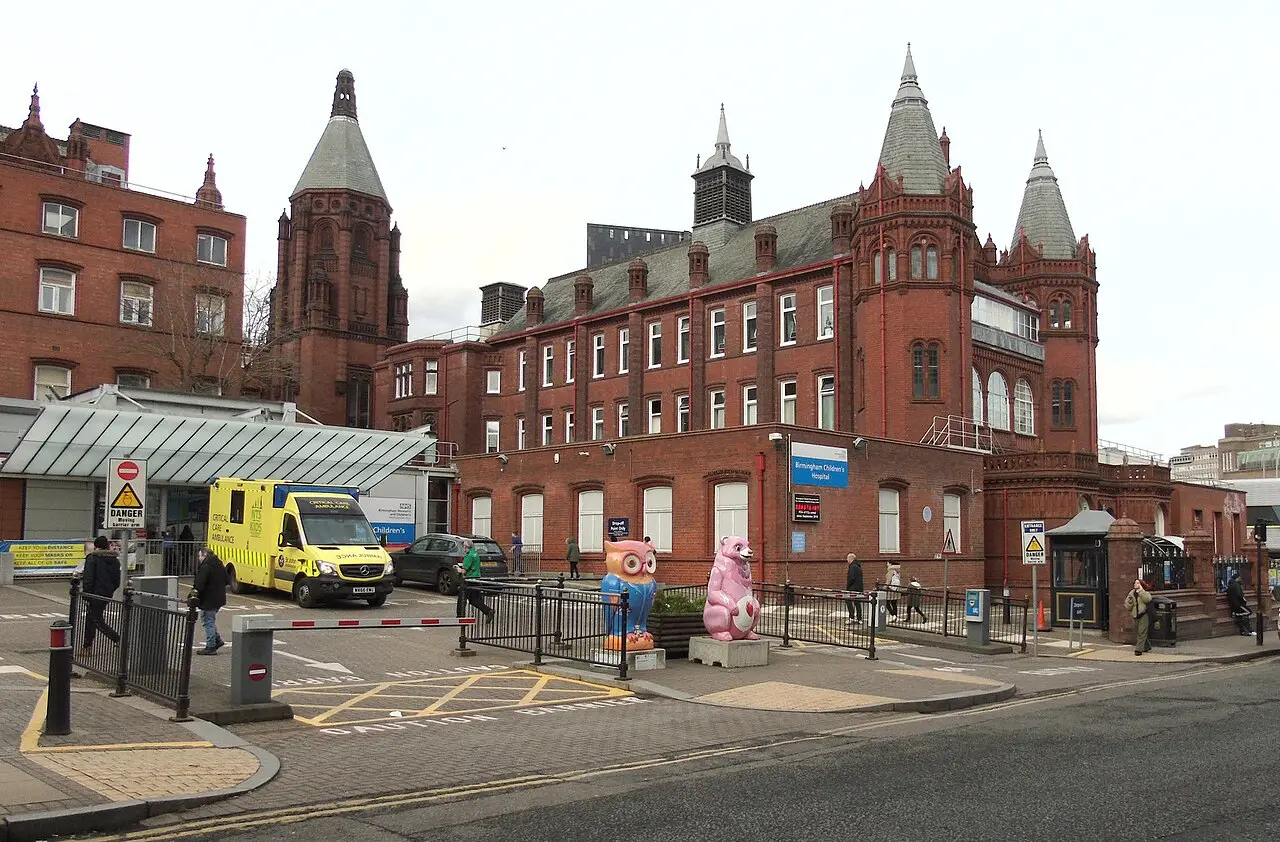


Latest news
Featured posts
-
Things to do
Top 10 places to visit in Birmingham
-
Food and drink
The 12 most popular food spots in Birmingham
-
Things to do
The best laser tag locations in Birmingham